When we stand up for ourselves within a toxic family system – for instance our family of origin, especially one headed by a narcissist – there is almost definitely going to be fallout. This is especially true if we’re the scapegoat. Then we will likely be faced with silent treatments, guilt and shame tactics, other abusive behavior, and basically being ganged up on by our family members. Everyone will want things to return to what they were previously. Change in these systems tends to make everyone feel unsettled and anxious, typically because when the leader is a narcissist, they will do anything to avoid losing control of the situation. They become more angry, unreasonable, aggressive, and demanding, and their moody behavior knows no bounds. So they will wage war against us, using other family members as pawns and flying monkeys, in the hope that we will give in and they can return to complete control of us and everyone else in the family.
The above is pretty much a given for anyone going up against a disordered family unit. Preparing for it can make a big difference. When we know what the fallout will look like, we can ready ourselves for it. Whether it’s an onslaught of angry chatter or radio silence, being mentally prepared for whatever may come our way will make the process somewhat easier. Mental strength is a big advantage when it comes to these types of situations. Keep aware of the dynamics, hold that head high, and stay the course.
Reminding ourselves that we are worthy of love, respect, and kindness can be helpful, too. Also, try to remember why we’re standing up to a system that causes hurt on an ongoing basis. Believe it or not, there will be better things on the other side of these situations. Peace is often waiting there, quite possibly for the first time in our lives, although it may initially feel uncomfortable and awkward. Eventually we will come to embrace peace and protect it at all costs.
So if you’re at the point, or in the middle of, standing up to a dysfunctional and toxic family system or relationship, be strong and be prepared for fallout. It won’t be easy, and you’ll likely, at some point in the process, question if it’s worth doing, but viewing it as taking steps to better days can be beneficial. You’ve got this!
Until next time,
Heather
~Natural Clarity Coaching~ naturalclaritycoaching.com na********************@***il.com Natural Clarity Coaching on Facebook, Instagram, LinkedIn, and Twitter
After finishing up my first-year university exams and final assignments, my three children and I then went through the process of moving to a home about ten minutes away. And then I started summer term university courses last week. Don’t ask me what I’m thinking with taking on so many things at once because I have no idea! I’m back with a new post, though, so I guess that’s what counts. 🙂
I’ve been thinking a lot lately about how few people many of us can count on to really be there for us. Trustworthy, authentic, and caring friends and family members are not easy to come by. This can leave us feeling alone, lonely, and, often, hurt and disappointed. Many people, particularly in today’s fast-paced world, are too focused on themselves and their own interests to even notice or acknowledge anyone else.
So when we feel alone and without support or caring, where can we turn? The fact is that we always have the option to rely upon ourselves. If we’ve come from abusive and/or narcissistic families, this can be challenging due to the fact that we’ve typically been conditioned not to trust ourselves on the basis that others who are important in our lives have treated us with ongoing condescension, diminishing words, and criticism.
The truth is, though, that we are all much stronger than we believe ourselves to be. We can make good decisions and follow through on them. We can advocate for ourselves where necessary and stand up for our rights. We can hold opinions that differ from those of the people closest to us without any need to defend or justify them. We can keep abusive people at arm’s length or remove ourselves from them altogether. We need to acknowledge that we have strength, intelligence, courage, wisdom, and self-compassion, to name just a few. In all honesty, if it’s necessary, each and every one of us has the power to make it on our own in this world for as long as we need to. We simply need to believe in ourselves.
We also have the option to reach out and find a sense of community in whatever way we desire. Online or in-person, community is available to us. We need to think about things we love and are passionate about and then look for groups in our area or online. There are online interest and/or support groups for pretty much any topic under the sun. Easy to join, just as easy to leave if it isn’t our thing. The truth is that non-toxic people can be a challenge to find, but they’re out there. Until we get there, though, we have ourselves. (And maybe, if it’s our thing, beloved pets. They have our backs through thick and thin.)
Lyrics from Me, Myself, and I – G-Eazy ft. Bebe Rexha
So if those feelings of loneliness and lack of a support system are weighing heavily, we need to focus on someone who is always there for us … me, myself, and I. When we’re feeling weak and lost, we have the power to pull ourselves back up again. We have the option to reach out to trusted friends and family members (if we are fortunate enough to have them), to seek out professional help, to engage in self-care and self-help, or to explore communities of interest around us where there is a good chance of finding like-minded individuals to interact with. In the end, we can benefit from learning (or remembering) to count on ourselves and to know that we are enough. We can get through anything that we put our minds to. We come into and go out of this world alone, and, as adults, we can thrive on our own whenever we choose.
Until next time,
Heather ~Natural Clarity Coaching~ naturalclaritycoaching.com na********************@***il.com Natural Clarity Coaching on Facebook, Instagram, LinkedIn, and Twitter
Hi all! I’m taking a break from writing university course research essays to … well, to write a post. Ironic, isn’t it?
So, one of the key ways to address any dealings you need to have with a narcissist is to try to leave emotion out of the interaction. Narcissists thrive on our reactions when they’ve pushed our buttons; the more emotional the response, the better, as far as they’re concerned. It makes them feel as though they’ve controlled us and “got their own way”. And, when it comes down to it, that’s very true. When we allow a narcissist to bait us into an emotional response, we are literally handing over our power. That’s exactly the reaction they always hope for, and we sometimes fall into their traps. Let’s face it – it isn’t easy to deal with a narcissist at the best of times, and they always seem to know just what to say to upset us. That’s one of the most common characteristics of narcissists.
Here’s the thing, though: when we go into an interaction with someone we believe to be toxic, if not narcissistic, we have the choice to arm ourselves with the promise that no matter what is said or done, we will not react from an emotional level. This tactic may need to be repeated a few times because most narcissists won’t give up after just one unemotional response. But, eventually, they will lose interest in attempting to draw us into their game. When they don’t get any control or other benefits from trying to force an emotional reaction, they get bored. They are getting nothing out of it anymore. More than likely, they’ll move on to someone else who will give them the response they’re hoping for.
Trust me – this gets easier and more automatic the more you do it. It takes practice but it’s very possible to master it. And the self-control and strength it will give you is amazing. It’s empowering.
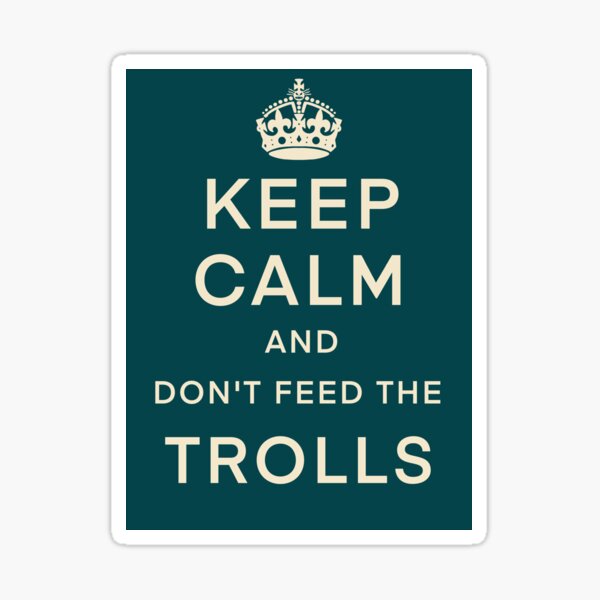
So, give it a try if you feel like it’s important to you. Take back your power by not feeding the trolls. You’ll be shocked by how great it feels to turn those tables and flip that script! Good luck!
Until next time,
Heather ~Natural Clarity Coaching~ naturalclaritycoaching.com na********************@***il.com Natural Clarity Coaching on Facebook, Instagram, LinkedIn and Twitter
Where I live, Family Day is celebrated. It is essentially a day to take a rest from work and spend time with family. That day is today, February 21st.
For anyone else living where this occasion is observed, Happy Family Day to you!!
I’d like to take this opportunity, though, to mention that who we include in our lives as ‘family’ is truly up to us. Our blood relatives may indeed be part of that group, but they can just as easily not be. Because ‘family’ should be people who love, respect, value, and care about us. Sadly, that doesn’t always come in the form of people to whom we’re related. Family can be partners, friends, coworkers, neighbors, and everyone in between. We have the power to make the call on who is a member of what we consider to be our family unit.
Family
So if you’re celebrating Family Day today, enjoy some much-needed downtime and enjoy the moments with whoever you call family.
Until next time,
Heather ~Natural Clarity Coaching~ naturalclaritycoaching.com na********************@***il.com Natural Clarity Coaching on Facebook, Instagram, LinkedIn, and Twitter
As I sit down to write this post here in Ottawa, Ontario, Canada, I’m looking out at several inches of newly fallen snow (after a day of rain) with hope that the police and protestors involved in the Freedom Convoy in the downtown core will interact as peacefully as possible. After three weeks of trucks and protestors occupying the city center, it’s difficult to guess what the final results of the ramped up police efforts of yesterday and today will ultimately be.
On to today’s post. For anyone who grew up in a dysfunctional family, many of which have a narcissist at the helm, the feeling of being wrong all the time is a familiar one, particularly when it comes to emotions and opinions. We were, as children, and may still be as adults, often told what to feel or what not to feel, that our opinions and beliefs are incorrect unless they fit with a certain description, and typically that we are at fault for anything considered to be an issue within the family unit. Many of us will have been asked the question, “what did you do?” at every turn. It isn’t uncommon to be told that we’ve been the main problem within the family since we came into the world. Yes, indeed, as newborn babies we were a ‘problem’ and that trend apparently just continued throughout our lives. Sounds pretty ridiculous, doesn’t it? And yet that’s what many dysfunctional families, particularly those with narcissists, would have us, the scapegoats, believe. Why? Because that way the person or people who are actually the ongoing troublemaker(s) and their loyal followers can avoid accountability or any need to look at themselves or change their toxic behavior. As long as there’s someone else to constantly put the blame on, they can continue with their dysfunctional ways.
Where does a lifetime of being told we’re wrong and always at fault tend to lead us? Low self-esteem, lack of confidence, accepting unjustified blame from other toxic people who may come into our lives, believing that everything that goes wrong around us must have been caused by us in some way, and an overall feeling that our opinions and beliefs are quite simply wrong or that we don’t have a right to speak up or be heard.
Here’s the truth of the matter: we aren’t wrong any more than anyone else is; we don’t have to accept the blame or take accountability for things we didn’t say or do; we have a right to our opinions and beliefs, whether or not they fit with those of other people, and to be heard when we choose to speak up. We shouldn’t be robbed of the benefits of confidence and self-esteem simply because making ourselves small and accepting blame allows a narcissist to keep up their facade and to manipulate and control us and others in our environment. Yes, there will always be ‘flying monkeys’ who will go along with toxic people in their campaigns against us. That doesn’t make them right and us wrong, though. It’s simply the way this type of dysfunctional system operates.
We can live our lives fully and feel good about ourselves in spite of the messages conveyed to us as children and onward through our lives. The fact of the matter is that those messages of constant blame and shame are what iswrong. No one should be made to feel like a black sheep and scapegoated at every turn, especially when the main agenda at play is to maintain and strengthen the role of a narcissist or other toxic individual.
Scapegoat
How do we defend ourselves against these messages or undo the results of years of finger-pointing? Take a step back and really consider these messages from an unemotional and neutral space. For example, could a person have been a ‘problem’ in their family of origin from the moment of their birth? Nope. Could anyone always be ‘at fault’ and ‘wrong’, creating all problems within a family in every moment of every day? Nope. Could one person’s opinions be consistently ‘wrong’ and not worth hearing? Again, nope. You get the gist of what I’m trying to say. These messages from dysfunctional families to their scapegoated member(s) are ridiculous and without merit or sense. The truth of the matter is that we, as scapegoats, are chosen by a narcissistic parent or other toxic individual as a scapegoat, others are convinced to believe this to be the case in order to stay in line with the narcissist/toxic person, and then it becomes ‘the way it is’ so that the family unit can limp along with some form of consistency while ensuring the continued reign of a disordered leader. It has nothing to do with us or who we are and everything to do with our dysfunctional family of origin.
If we continue looking at these negative behaviors and messages from an unemotional standpoint and from a space of neutrality, we undoubtedly begin to see how this unfair family system operates. From there, we need to start trying to unravel the webs of this system that are within each of us as a result of this unjustified and abusive treatment. When we take action for ourselves and our well-being, it’s amazing how quickly we can become empowered with self-esteem, confidence, and the knowledge that we have every right to hold space in this world with our own opinions, beliefs and feelings. If we need help in the process, there are always resources available – counsellors, life coaches, online support groups, self-help books, etc.
Being scapegoated by one’s family is a challenging and unjustifiable experience, but we are all strong enough to save ourselves from a lifetime of being burdened by it. If we believe in ourselves, our rights, and a better future, and if we seek out help when needed, the sky’s the limit.
My university courses are keeping me quite busy these days and yet the ideas for blog posts continue to flow. So, here we go!
One of the things that commonly holds people in a toxic romantic relationship is fear of change and of being alone. Many hold on to their current situation because they believe that starting over would be worse. Others may seek out new partners prior to leaving, in an effort to have a new relationship to run to, which generally won’t end well because we aren’t in the right place to make it work. That’s not fair to us or the new person we’ve escaped to.
Starting a new chapter can be an amazing opportunity, particularly when the last chapter involved abuse. And a new chapter started independently can be beneficial as well. Being on our own allows us to get to know ourselves, possibly in ways we had never experienced in the past. Once we get to know ourselves and grow into that knowledge, we will often find that there were patterns in our lives that led us down certain paths, some of which were undoubtedly not healthy for us. Time on our own can help us to build self-esteem and the clarity to spot red flags with new people who come into our lives so that we always have the tools to stand strong, put up boundaries, and protect ourselves from future harm.
An especially important part of leaving and then healing from any toxic relationship is a support system. However, many of us who have grown up in a dysfunctional family have learned that expressing emotions is not acceptable and we will often have been met with diminishing comments about how weak we are for having feelings, or maybe a flat-out refusal to even acknowledge that we are in a difficult emotional space. There’s also a good chance of being blamed for our situation, which is ironic, given that our choice of partners is typically a result of dysfunctional family experiences and belief systems handed down to us regarding the treatment we’re expected to accept from loved ones. If we’re allowed to speak of our troubles, we might also be ridiculed or have our experiences spewed out to any number of other people in the form of gossip. So the focus should be on finding a support system that we can lean on and trust. Maybe that’s an anonymous online forum or support group, a counsellor or coach, a trusted friend or family member; whoever it may be, it’s always beneficial to get our feelings out so that we can gain perspective and strength and begin healing. In the event that we aren’t yet ready to say any of it out loud or we haven’t yet found a safe space in which to do so, journaling can be helpful. Even if our feelings get written down and then we shred or burn the pages afterwards, the benefit comes from having expressed ourselves. Picture it as a form of release of negativity and hurt, helping us move forward.
Don’t be afraid of new chapters or going solo. Yes, it’s unnerving; the unknown can cause us to feel immense worry and concern. But just know that you deserve to be treated with respect and kindness. At the risk of sounding like a broken record from previous posts, make self-love and self-care priorities in your life. Find the courage to push forward to something better. We’re always stronger than we may give ourselves credit for. Find your support system in whatever form you feel safe with. Keep putting one foot in front of the other and know that new opportunities are around every corner. Eventually, you will find yourself in a better place, even if you need to fake it ’til you make it. Just don’t be deterred by fear of change or being on your own. As the saying goes, when we change the way we look at things, the things we look at change. Perspective is an amazing tool when we choose to utilize it.
Until next time,
Heather ~Natural Clarity Coaching~ naturalclaritycoaching.com na********************@***il.com Natural Clarity Coaching on Facebook, Instagram, LinkedIn and Twitter
I have written posts on this subject in the past but I feel that it’s important enough to repeat. If you’ve been or are currently being damaged by a toxic individual, your most important priority should be healing and getting on with your life, and not the ‘why’s’ of that person’s behaviour. I see a lot of programs online with a major focus on the narcissist and asking questions about their thought processes when they cause damage to others. The truth is that narcissists and other toxic people are disordered and broken. Hurt people hurt people. It has nothing to do with who they hurt and everything to do with protecting their fragile egos. It really is that simple. Once we understand and accept this, our own healing should be at the forefront, along with making decisions about who is in our life and to what extent.
It’s easy and very common to get pulled into the habit of trying to analyze and understand the words and actions of someone who has caused us damage, especially when it’s someone we love. Another reaction is often a desire to help this person to see the error of their ways and how much pain they’ve caused us so that they can (hopefully) change for the better. Sadly, toxic people, narcissists in particular, rarely change, especially in any permanent, positive way. Improving themselves requires introspection, and their sensitive egos, with their need to always be right and superior, couldn’t possibly handle being wrong about anything. They need to make everyone else the scapegoat or the ‘bad guy’ because being accountable isn’t part of their vocabulary. In fact, any suggestion of them being responsible for negativity could very likely result in them lashing out even more.
So whether you will continue to have a toxic person in your life, or to go low or no contact with them, try to focus on protecting yourself from future damage and healing from the past. Honestly, the effort to understand a narcissist’s words/actions in any depth is a waste of precious time because, quite frankly, they have no depth. Their behaviour is always about one thing and one thing only: protecting their ego. They operate in this pattern in every relationship in their lives, from family to work to friendships to romantic partners to that stranger whose car they just backed into in a parking lot.
You deserve to heal and enjoy your life. Prioritize yourself. It’s not selfish, it’s necessary. And make those tough decisions about who you allow in your life because that will set the tone for either peace or discontent. It’s your call. You have that power so use it wisely.
Until next time,
Heather ~Natural Clarity Coaching~ naturalclaritycoaching.com na********************@***il.com Natural Clarity Coaching on Facebook, Instagram, LinkedIn and Twitter
Hopefully the holidays have been enjoyable for readers on this website. However, if you’re struggling with mental wellness issues, toxic people in your environment, or other challenging issues, just know that you are not alone. Holidays can be difficult times, particularly in the midst of a global pandemic. Don’t be hard on yourself if you’re struggling. Reach out for help if you need it. There are online resources, help lines, forums or direct professional help available, including Natural Clarity Coaching (in cases where higher levels of mental health assistance are not required). And don’t forget about regular self-care, exercise, good sleep, healthy eating, and stress management skills. We all have the ability to take good care of ourselves and do what we need to do towards creating and maintaining our well-being under normal conditions. And help is always there when things get tough and overwhelming.
I want to wish everyone all the best for 2022!! More posts to come in the new year. 🙂
Heather. ~Natural Clarity Coaching~ naturalclaritycoaching.com na********************@***il.com Natural Clarity Coaching at Facebook, Instagram, LinkedIn and Twitter
So, it’s been a little while since I last had an opportunity to sit down and write. As I’ve posted in the past, I returned to university back in September in order to study psychology. So I’ve just finished up a multitude of assignments and midterm exams. The next term starts on January 10th, which gives me time to get caught up on a variety of items on my to-do list.
As the holidays are upon us, I wanted to touch on some tips for getting through in one piece, especially if a narcissist is involved. Maybe even more than one of them is a part of your life. Let me start by saying that you are not alone. There are many of us who are dealing with toxic family members and others in some way at this time of year. On the flip side, you might be low or no contact with those people and possibly feeling lost, lonely and down. Recognizing that others are going through what you are can lessen the challenging feelings that go along with these situations.
One great idea is to incorporate the JADE method into your interactions – Don’t Justify, Argue, Defend or Explain. Narcissists know how to push people’s buttons, including putting others on the defensive and feeling the need to justify their actions/words/life. Leave your emotions out of these interactions (grey rock method – little to no emotion) and recognize that someone is attempting to manipulate you because they have a need to diminish and control to feel good about themselves, and you won’t likely feel the need to JADE as often or even at all. It’s difficult to do initially but it gets easier with practice. And the bonus is that not only will you not get pulled into the drama but there’s a good chance that the person in question might just give up when they can’t get a rise out of you.
If you are alone over the holidays or missing special times that are no longer taking place, then consider making new traditions for yourself. And be sure to make time for self-care, whatever that may look like for you (exercise, bubble baths, spending time in nature or with pets, listening to music, reading, writing, etc.). Reach out to people that you trust, or chat with others in an online discussion group of your choice. Maybe it’s a group for adult children of toxic families or one that involves a hobby or topic of interest. Social connectedness can do wonders for our wellbeing, especially if it’s in a way that we feel comfortable and secure with.
That’s all for now. I’ll be back with new posts again very soon. Just try to remember that you are strong enough to get through anything from difficult people to temporary loneliness.
Until next time,
Heather ~Natural Clarity Coaching~ naturalclaritycoaching.com na********************@***il.com Natural Clarity Coaching on Facebook, Instagram, LinkedIn and Twitter
While living in, or after removing yourself from narcissistic abuse from a family member, friend, partner, employer, etc., there are some common outcomes that you might discover in yourself.
Lack of trust in others. It’s obvious where this comes from. When you’ve been damaged numerous times by someone who should love and care about you, it makes it difficult to go out into the world and trust anyone again. Our minds recall how all of that felt on an emotional level and therefore they attempt to keep us from going through a similar experience in the future. A good suggestion is to surround yourself with people who have proven that they’re trustworthy and understanding. If they aren’t available in-person to spend time with, try to talk on the phone, chat online or send texts/emails. Support groups are a great place to connect if no one trustworthy and supportive is available. Just keep in mind that everyone is at varying stages of recovery at any given time and have their own, unique situations so their approach to healing might not resonate with you. Do what you feel is best for you. No matter what, enjoying a positive sense of community can make a big difference to rebuilding trust in the world around you.
2. Anxiety and Depression. There’s no doubt that many of us are left in a state of anxiety and depression during or following a relationship of any kind with a narcissist. We’ve been constantly badgered, put down, condescended to, insulted, questioned, labelled and damaged. That takes its toll on mental, emotional, physical, and spiritual levels. We may be ruminating over what happened and trying to determine how to move on with our lives. Anxiety and depression are two of the most common mental health issues for people, with or without the involvement of narcissistic abuse. There’s no shame in them. They’re natural. There’s no weakness in reaching out for help. Resources are all around you. People in the helping professions are available to help you get through this. All you need to do is get in touch with them. Both anxiety and depression can potentially be dealt with through self-care, nutrition, exercise, sleep health, stress management and possibly counselling/treatment. If none of that helps, medications are available for whatever duration is required. Again, there is zero shame or weakness in any mental health issue or treatment of it. Never feel ashamed or guilty about mental health concerns or diagnosis. Stigma and attitudinal barriers need to be knocked down and ignored. Get the help you need to move on with finding peace and happiness. This is your life. Don’t let what anyone else thinks influence your choices.
3. Lack of confidence and self-esteem. Yikes…this is a big one. Many people in, or walking away from narcissistic relationships feel invisible, worthless and completely lacking in self-esteem or any kind of confidence. Again, this is common. We need to build ourselves back up through engaging in self-care that reminds us of our worth, spending time doing hobbies that we enjoy, and surrounding ourselves with supportive people, to name just a few. Creating a positive and uplifting mantra that we repeat to ourselves daily can also be a big help. Give yourself regular pats on the back. Remind yourself of how awesome you are! You will eventually feel good about yourself again.
4. Complex PTSD. You may find yourself feeling ‘triggered’ by people, sounds, smells, physical sensations, events, etc. that remind you of the narcissistic abuse. When we’re still in a narcissistic relationship, these triggers can be incredibly strong. Or we may be so desensitized to the abuse that we don’t even recognize them for what they are. If we’re still in a toxic relationship, it’s more difficult to cope with these feelings. Get professional help if it’s at all possible.
Sometimes it can be of assistance when these situations arise after leaving a dysfunctional relationship, to remind ourselves that we are safe. Feeling ‘triggered’ is our body’s way of sounding an alarm. But if we’re out of the unsafe situation, then there’s no need to respond to the alarm as though we are still in it. If these reactions are impacting negatively on our daily lives in a serious way, it may be time to see a professional to help us to better process these memories and let them go. EMDR, brain-spotting, exposure therapy and medications are all possible treatment options to lessen the control of the trauma over our lives. Again, there is absolutely no shame in trauma or reaching out for help.
5. Isolation. We often feel the need to isolate while in a relationship with a narcissist or after being damaged by narcissistic abuse. If you’re still in it and feeling isolated from the rest of the planet, reaching out to outside support systems can help you to avoid the isolation that narcissists tend to want for their victims because we’re much less likely to see the web we’re caught in if there’s no one else there to point it out to us.
If you have left a narcissist and need to be alone off the start, do so. But if isolation becomes something that you prefer over getting out into the world when needed or desired, then it has become a potential problem. There are communities of functional, emotionally healthy people that could be beneficial for your mental health. But, again, you need to reach out. Sometimes stepping outside our comfort zones can lead to great things. Don’t stay forever isolated and cheat yourself of good relationships. You deserve so much more. There are plenty of non-narcissistic people in this world. Listen to your intuition and you’ll find them.
So, there’s just five common outcomes both during and after ending a narcissistic relationship. You are not alone if you are experiencing these feelings. Reach out, believe in yourself and a better future, and know that you won’t feel this way forever.
Until next time,
Heather ~Natural Clarity Coaching~ naturalclaritycoaching.com na********************@***il.com Natural Clarity Coaching on Facebook, Instagram, LinkedIn and Twitter