Tag: strength (Page 4 of 5)

If you decide to leave, there are resources available to assist and support you

One of the most difficult situations I encountered after making the decision to leave my alcoholic and narcissistic spouse was finding my way out. We shared children, a home, vehicles and other assets, debts and several years of marriage. All of it felt incredibly overwhelming, and my fears and feelings ran the gamut from financial (many issues on this level, which left me feeling stuck) to emotional. The people in my life who knew about it at that time chose to ignore it – read that as my ‘narcissist of origin’ enjoyed watching me struggle. Others had no idea what I was dealing with because shame and fear kept me from disclosing the situation.

At a complete loss and feeling very fragile, I reached out to a local women’s shelter and thankfully found people willing to support me through the process of leaving an abusive partner. I was placed with an amazing social worker with the shelter who provided counselling without any fees (of note, CAMH is another organization that offers free-of-charge counselling – I spent a bit of time with them as well – and some private counselling services do have subsidized sessions based on income), helped me create a safe exit plan which could involve law enforcement if necessary, and made sure that every available resource was discussed. I can’t speak for all shelters but this particular one, whether you actually stayed there or just needed help from the outside, offered funds to pay for moving expenses (and help with the actual move) and initial rent and utility set-up bills as well as readying a home with some furnishings, groceries and other essential needs. If you require assistance and have no idea where to turn, don’t be afraid to contact a local shelter or other social service agency and ask what they might be able to help you with. There are so many people out there who are ready and willing to help.

I also attended a free legal resource centre in order to discuss with a lawyer my rights, obligations and creation of a separation agreement. In addition, a few months after leaving, I took the step to file the agreement, which had been signed by both my spouse and I in front of a witness, with the courts and then FRO (Financial Responsibility Office in Ontario) in order to ensure that child support payments would be made, which helped in the avoidance of struggles over it with my ex-spouse. Unfortunately, off the start, the child support was used as a tool to further abuse me both financially and emotionally. There were threats of it not being paid at all, or messages about delays in payment because his needs should come first, etc., which is why I took the step of filing the necessary documents and setting everything up with FRO. I refused to be further abused by or in regular contact with this person so I did my research and found yet another resource to facilitate my transition to freedom. Again, the resources are there but it’s often necessary to conduct research and then advocate for yourself to get where you need to be.

This is only a brief version of the steps I took in leaving. My goal in writing about it is to help with awareness that no one is alone when they choose to leave a narcissistic partner or family member. There are supportive resources available on many levels to aid individuals through the difficult transition of escaping from an abuser.

My advice is to not allow a lack of funds to hold you somewhere that you have chosen not to be. Reach out to friends, family, organizations – anyone you feel safe to discuss the situation with. They can help you and provide needed supports to move forward to a better, safer and more peaceful and healthy life.

Trust me – I know how grim and hopeless it feels when you have been abused by a narcissistic partner or family member, you have made the decision to end the relationship, and then you have no idea where to turn or what to do next. You’re likely already in a place of severe physical and mental exhaustion and possibly struggling with anxiety and depression as well as fear of retaliation, not to mention worrying about a major life change. Putting one foot in front of the other can feel like a significant challenge, let alone making plans and finding the means – financial, emotional, etc. – to leave and start over. My experience is that once I found support and began to feel an inkling of hope, momentum, strength and courage slowly but surely built up from there. Creating a safe plan of action and goals with my social worker gave me something to work towards. Even though I went though most of the initial part of the transition in somewhat of a fog and doing most of it on auto-pilot, I knew deep inside, despite my fears and apprehension, that a better life awaited my children and I. Turns out I was right. It didn’t happen overnight and the challenges obviously did not end immediately upon me leaving my spouse, but in time everything began to improve and my life changed in ways I had never imagined possible.

I created Natural Clarity Coaching to be an affordable support system, particularly for anyone dealing with narcissistic abuse and recovery, regardless of what stage of it they may be in. My fees are also on a sliding scale based on income (on the honor system – no need to divulge your financials). If you would like to know more, please don’t hesitate to contact me at na********************@***il.com. Initial consultations are free of charge, completely confidential and without any obligation. You don’t need to stay in an abusive situation because you believe there is nowhere to go, potentially a lack of funds to get you there, and no one to assist you, and it isn’t necessary to experience the processes of deciding to leave, leaving or recovery, without support. Reach out for whatever resources you need in order to get yourself to a better place and to further grow and thrive once you’re there.

Until next time,

Heather ~Natural Clarity Coaching~ www.naturalclaritycoaching.com na********************@***il.com Natural Clarity Coaching on Facebook, Instagram and Twitter
Self-Care Series – No. 2 – Acupuncture and Acupressure

Continuing on with the short self-care series, our focus should always be on caring for ourselves to ensure that we are strong and as healthy as possible on all levels. Dealing with narcissists is usually a draining experience and it’s easy to lose ourselves in all of the drama and exhaustion from it.

So … acupuncture and acupressure. Both are based on promoting wellness and relaxation as well as treating disease. Acupuncture involves a practitioner stimulating certain points in the body, most often inserting thin needles through the skin. It has been found to be beneficial for some individuals with conditions such as low back pain, neck pain, osteoarthritis/knee pain, headaches/migraines and other conditions. I found acupuncture extremely helpful for pain with a herniated disc in my lower back many years ago.

Acupressure uses pressure to stimulate points on the body in an effort to clear blockages within a targeted area. Hands, elbows and other tools are used for this activity, and it can be performed by a practitioner or by oneself.

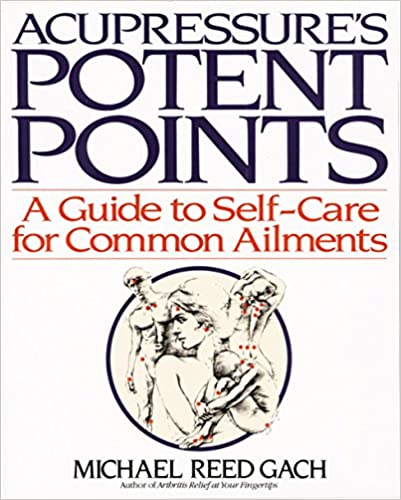
While living with a narcissistic individual, I often had headaches or migraines brought on by stress. Acupressure and acupuncture are both great options for relieving stress, improving relaxation and allowing the body to heal itself. One such acupressure exercise for potential headache/migraine relief is as follows: Using the thumb of one hand, press the webbing between the thumb and index finger of your other hand. Try to angle the pressure toward the bone that connects the index finger and hold for one minute. Then do the same for your other hand. I recently purchased this book, “Acupressure’s Potent Points A Guide to Self-Care for Common Ailments” by Michael Reed Gach. So far, I have found it to be quite a useful resource. Here is the link for this book:

https://amzn.to/3RvaEQ8

I quite possibly sound like a broken record, but self-care is so extraordinarily important. I can’t emphasize enough just how crucial it is, particularly when dealing with narcissistic abuse. Do what you can to keep yourself strong. It’s easier to maintain strength and wellness than it is to start from scratch. Narcissists often try to convince us that we aren’t important and therefore there’s no point in taking care of ourselves. Don’t buy into that philosophy because it is 110% incorrect. We do matter and we are worth it.

Until next time,

Heather ~Natural Clarity Coaching~ www.naturalclaritycoaching.com na********************@***il.com Natural Clarity Coaching on Facebook, Instagram and Twitter
*Disclaimer: I may receive a small commission if you click on the above link and purchase the product.*

Self-Care Series – No. 1 – Massage Therapy

As I have mentioned in many previous posts, self-care is a major and integral component of health and wellness, particularly during or after narcissistic abuse. I will be posting on various ways to implement self-care in a short series.

Today, the self-care topic is massage therapy. Whether you attend with a massage therapist, utilize massage tools or simply use your own hands, massage therapy can bring with it relief for muscle discomfort and tension, regardless of its origins. In the case of dealing with narcissists and their abusive behaviour, mental stress easily converts into physical discomfort in our muscles and other areas of the body. This can then create a cycle of abuse – stress – physical discomfort – lack of sleep from discomfort – mood and concentration issues from discomfort and fatigue – etc.

A massage therapist can assist greatly with helping us to achieve relief from muscle issues. We can also use our hands to manipulate a knot, sore spot or trigger point in the neck, shoulders, back or anywhere on the body that we can reach. There are also many devices available for at-home use. This is one that I use myself (purchased from Amazon – click on link below for further information):

https://amzn.to/481hsKN

This model is a shiatsu back and neck massager with optional heat. It does an amazing job of loosening tight, sore muscles (just be sure to read the manual prior to use). I’m always impressed with how quickly my mental state improves once I achieve full or partial relief from pain and discomfort on a physical level. And I like the fact that I can do this whenever I need to because it’s a DIY type of self-care.

Our bodies, minds, emotions and spirits are intricately connected. It’s important to take care of ourselves because this will help to carry us through whatever comes our way in life. As I’ve mentioned in past posts, it is especially integral to stay strong while in a relationship with a narcissist, if you are thinking of leaving a narcissist, if you are in the process of leaving a narcissist, or after leaving a narcissist. And, as always, support systems are another incredibly important facet of journeying through difficult and challenging experiences.

Until next time,

Heather ~Natural Clarity Coaching~ www.naturalclaritycoaching.com na********************@***il.com Natural Clarity Coaching on Facebook, Instagram and Twitter

*Disclaimer: I may receive a small commission if you click on the link in the post and purchase the item.*

Hang in there! You’ve got this! (Leaving a narcissist)

To anyone who is contemplating leaving a narcissist or in the process of doing so, just hang in there. You’ve got this … you can do it. Whether this is a family member, friend, romantic partner, etc., you can and will get to a better place.

There’s no doubt that it’s incredibly challenging to arrive at the decision to leave behind a narcissist, let alone actually leaving, but there is so much more for you on the other side of this situation.

Believe in yourself and your future. Everyone deserves respect, particularly from loved ones. If you aren’t getting that, then you need to consider moving on. Yes, it can be tough to imagine your life without this person, and, no, it isn’t easy to make huge life changes. But they are very much worth it. And when you look back, you will wonder why you didn’t make the changes sooner.

Narcissists rarely change. Trying to make them see that they should behave decently is typically a waste of energy (and also something you really shouldn’t need to explain to anyone). And while you’re working on convincing them, they are continuing to manipulate, undermine, sabotage and damage you further while wasting more of your time in the process. In the end, moving on inevitably brings on new opportunities, personal growth, and so much more.

During the decision-making and/or leaving process (wherever you may be right now), keep self-care at the forefront. You need to be strong on every level in order to move forward. If you make self-care a priority, you will benefit from it more than you can likely imagine right now. And find support in people you trust. That includes not only family and/or friends but also social workers, psychologists, coaches or any other resource that you can locate to help you get through this.

Just know that there are multitudes of narcissistic abuse survivors out there rooting for you and every other person trying to move beyond a narcissist in their life. Picture yourself in a better time and place and then put one foot in front of the other to start the journey. Your feet may feel like lead and your mind may be spinning, leaving you confused and muddled. That’s normal under these circumstances. But know that you can do it and you will thank yourself for it some day when peace, happiness and clarity become daily happenings.

Until next time,

Heather ~Natural Clarity Coaching~ www.naturalclaritycoaching.com na********************@***il.com Natural Clarity Coaching on Facebook, Instagram and Twitter
Darkness to light: Some of the impacts, as an adult, of being raised by narcissists, and how to start your recovery journey

For those of us who were raised by narcissists, there are some very common challenges that may rear their ugly heads when we are adults. Here are just a few: 1. Depression and anxiety; 2. Low self-esteem; 3. Trust and abandonment issues; 4. Feeling unworthy of love and respect; 5. Downplaying accomplishments; 6. Finding yourself in recurring dysfunctional, destructive relationships; 7. Low or no self-care.

These are just some of the possible outcomes resulting from a childhood with narcissistic parents or role models. Obviously, because we are all individuals, the specific results will be unique. For the majority of us, it takes many years to recognize and then accept the damage that has been done on so many levels. In all honesty, some people never recognize it for what it is and, subsequently, go through their entire lives suffering. It doesn’t have to be this way, and this is one of the many reasons that I have dedicated myself to helping others in the realm of narcissistic abuse awareness and recovery.

My primary recommendation, whether a person has just an inkling of a feeling that something was/is ‘off’ in their family of origin or relationship(s), or if they have a massive “a-ha” moment of realization and see the damage within themselves, is to seek out support. Forums, support groups, therapists/psychologists/counsellors who are knowledgeable in narcissistic abuse and treatment, narcissistic abuse recovery coaches such as myself, friends who understand … whatever supportive resources you can locate for yourself, just do it. Having support is absolutely key in journeying through narcissistic abuse awareness, acceptance and recovery, particularly in the early stages.

In addition to support, it is imperative, beyond educating yourself about narcissism (fragile egos and disordered individuals) so that you understand what happened and why, to shine the spotlight on your recovery. Be patient with yourself, take the time you need to make your way through the process, look after yourself on all levels – mental, emotional, spiritual and physical. You need to make yourself strong for this journey. I can’t emphasize enough just how important this is. Invest in your recovery because it will serve you well in the future. In fact, it will more than likely change your life for the better in ways you never imagined!

Until next time,

Heather ~Natural Clarity Coaching~ www.naturalclaritycoaching.com na********************@***il.com Natural Clarity Coaching on Facebook, Instagram and Twitter

Healthy Lifestyle Choices Do Make a Difference

No matter what life may throw at us, one of our best lines of defence is making healthy lifestyle choices. Those include consuming nutritional food and beverages, regular exercise, sufficient sleep, stress management and self-care. Vitamin/mineral supplements can also be beneficial in many cases but it is advisable to discuss anything of this nature with a physician in order to ensure that it is a safe choice in your unique case.

When it comes to making healthy lifestyle choices, they don’t need to be extreme in order to make a difference. Doing things in moderation is typically the way to go. It’s also quite possible to implement choices that are likeable and enjoyable. When we enjoy what we eat and the things that we do for our wellbeing, it makes the whole process of having and maintaining a healthy lifestyle much less complicated.

I’ll be the first person to say that it can be incredibly challenging to keep healthy lifestyle choices at the top of the priority list in cases of, say, dealing regularly with a narcissistically-inclined individual. When feeling overwhelmed, exhausted and lost, self-care may feel like it takes too much effort or that it’s a lost cause. However, now is EXACTLY the time that healthy lifestyle choices, especially self-care, can help us the most.

The bottom line is that choosing good options for ourselves when it comes to food, beverages, exercise, sleep, stress management and consistent self-care is one of the most positive and beneficial actions we can take, regardless of what is going on around us. These choices, no matter how small or simple we need for them to be at times, are the ones that will fuel our brains, mental wellbeing and bodies every day, which will, in turn, help to maintain the favorable momentum along with promoting and supporting long-term health and wellness.

Until next time,

Heather ~Natural Clarity Coaching~ www.naturalclaritycoaching.com na********************@***il.com Natural Clarity Coaching on Facebook, Instagram and Twitter

Dealing with the realization that someone in your life has narcissistic tendencies

Realizing that someone in your life has narcissistic tendencies can be a lot to process. There could be a multitude of happenings that led you to this place. It’s typically quite different for each individual. One way or the other, here you are. So, the next thought on your mind may be figuring out how to cope with this new reality.

It’s likely that you’re feeling a mixture of emotions ranging from anger to disbelief to loss to disappointment to confusion to sadness to fear and so on. You might feel like your world has been turned upside-down without any warning. Depending on who the person is (for example, a romantic relationship), you may be concerned about the future and whether you will have one with them. If the person is an immediate family member, possibly a parent, your entire life may now feel like one big question mark. You may be questioning your belief systems and the very foundations of your life within your family of origin. Or friendships, work relationships and a variety of other circumstances could be where this newly-recognized dynamic exists. No matter what, though, there will be challenges involved for you.

This is one of those times that self-care will be a great benefit for you. Take as much time as you need to thoroughly process the situation. If necessary, find someone that you trust to discuss this with. Sometimes just saying it out loud can help with processing. In the event that you don’t feel you can share this with anyone, consider journaling. Some people find that writing down their thoughts can be just as beneficial as saying them out loud. You can always burn the paper afterwards if you want. Online forums and support groups also exist for exactly these circumstances. It goes without saying that others who are going through the same types of experiences can be a great support system and resource.

One of the best things you can do for yourself, though, is to take the time to process the situation. Trying to take the emotion out of the mix and look at the facts can also be very helpful. Once you have accepted things as they are, the next step will be to decide what to do about it, if anything. I’ll make that the topic of a future post. Just remember that this isn’t the end of the world. Take a deep breath and know that you can handle anything life has to throw at you. We all have strength within us. Sometimes we have to dig deep for it, but it’s definitely there.

Until next time,

Heather ~Natural Clarity Coaching~ www.naturalclaritycoaching.com na********************@***il.com Natural Clarity Coaching on Facebook, Instagram and Twitter

Self-awareness is a useful tool, especially when dealing with narcissists

An incredibly useful tool in narcissistic abuse recognition and recovery is self-awareness.

Self-awareness allows us to be in touch with how we are feeling mentally, emotionally and physically. In order for it to be effective, honesty is imperative.

So, self-awareness in the context of both narcissistic abuse recognition and recovery entails paying attention to our mental, emotional and physical states in response to certain stimuli ie.) interactions with a narcissistic individual. For example, what is my overall sentiment after this individual did/said something unpleasant – angry, upset, hurt, confused, stressed, etc.? Is my mind overwhelmed, shutting down, or am I feeling discombulated? And how is my body reacting – tensing up, increase in pulse rate or blood pressure, furrowed brows, feeling overly warm, etc.? Checking in with ourselves regularly is also a great form of self-care.

This exercise in self-care should also initially leave out the “why” in terms of the other person’s intention. It should be a basic, “How do I feel right now?” And if you regularly find yourself feeling a lot of negative and stressful reactions to a particular person and their behaviour towards you, it may then be worth delving into at that point.

At the very root of interactions with other people, particularly narcissistic ones, asking the simple questions, “How do I feel about what was just said or done to me?” or “How do my interactions with this person make me feel?”, and then assessing your three levels of feelings (mental, emotional, physical) in a truthful manner, will help you to decide how to respond both now and in the future. Listen to that inner voice and honor its authenticity.

Until next time,

Heather ~Natural Clarity Coaching~ www.naturalclaritycoaching.com na********************@***il.com Natural Clarity Coaching on Facebook, Instagram and Twitter

« Older posts Newer posts »