Tag: sleep (Page 5 of 5)

Scapegoats and Seedlings

This little seedling is one of many that I have started for the upcoming growing season. She’s a red Bell pepper plant.

So, you may be wondering, what does a tiny, wee seedling have to do with scapegoats?

In my scapegoat experience, and from what I’ve heard from many, many other people, when we become aware of narcissism affecting our lives, we are led to make some difficult but important decisions. The main decision is rooted in the question of, “Where do I go from here?”. Will we maintain the status quo? Will we put up boundaries? Will we take steps to protect ourselves?

For me, I chose the protection option in the form of low contact and, eventually, no contact. And when I cut those ties, it freed me in ways I had never imagined possible. Without abuse, without being controlled, without being mentally and physically exhausted, I COULD FINALLY HAVE A CHANCE TO BE ME, whoever that turned out to be. I had never had an opportunity to really know myself outside of who I was told and controlled to be.

And that freedom from the choice I made felt like a completely fresh start. It felt like, even as an adult, a seed had been planted and it represented a new chapter in my life. I needed to give it optimal conditions and the best chance to germinate and grow into what it was meant to be. It was scary at times. Why? Because some seeds just don’t germinate. Germination rate: “The rate literally refers to the number of out 100 (or more) seeds which germinate successfully within an acceptable period of time” (West Coast Seeds, 2018). And then, if that seed (me) did germinate, could I ensure that it (I) would grow and thrive?

I won’t say that it was easy to get through the germination and early growing phases. At times, it felt like the best conditions couldn’t be maintained. I wanted to throw in the towel more than once. But my goal was to see this through and to find out what my full potential could be. I’m not there yet, and, honestly, I think we, as humans, will always be working toward greater potential. That’s a big part of life. However, where I’m at now is really great. The seed germinated,I grew (and continue to grow), and I’m thriving.

Out of darkness, through major challenges, and against a lot of odds, I chose a new start for myself. It felt exhilarating and terrifying all at once. But as time has gone on, I’ve gotten better and better at ensuring that the conditions I’m growing and thriving in are as close to optimal as is possible, just like I’m doing for the Bell peppers and other seedlings in my care.

So, unlike seeds, we don’t have someone cover us with soil, add some water, put grow lights over our heads and maybe a little heater off to the side, and then watch to be sure we make it to full-grown status, but when we move on from abuse and start anew, we have an opportunity to grow ourselves. And if we have people in our lives that can help us to sprout and grow, that support is always beneficial. As to what we can do for ourselves, there’s self-care, growth mindset (haha, pun intended), belief in ourselves and our new journey, good nutrition, exercise, adequate sleep, stress management, and maybe some coaching and/or therapy. And that all helps to create wellness that allows our potential to germinate, grow, and thrive. How absolutely cool is that?!

Keep growing, my friends!

Until next time,

~Heather~ Natural Clarity Coaching and Wellness

naturalclaritycoaching.com na********************@***il.com

Natural Clarity Coaching on Facebook, Instagram, LinkedIn, X (formerly Twitter)

*Let’s all take care of this planet of ours*

References

West Coast Seeds. (2018, June 7). Germination Rate. West Coast Seeds. https://www.westcoastseeds.com/blogs/glossary/germination-rate

Some Ways to Wellness

A great focus for anyone, at any age, is that of wellness. “Wellness is a holistic integration of physical, mental, and spiritual well-being, fueling the body, engaging the mind, and nurturing the spirit” (Stoewen, DL, 2017).
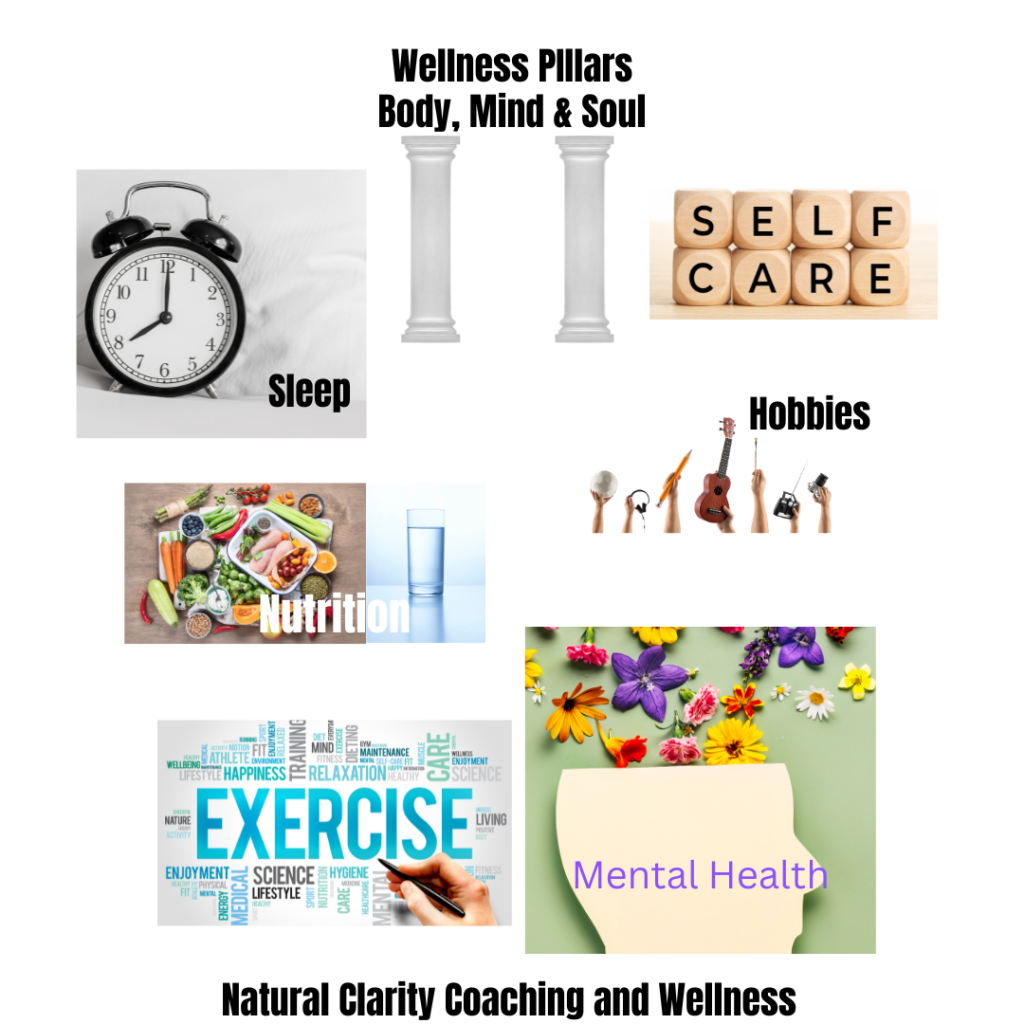
Whether we’re experiencing abuse or are under a serious stress load, struggling with health issues, or simply want to work towards being as well as possible, wellness is for anyone and everyone. It’s the conscious act of self-care that gets us there.

When it comes to being in an abusive situation, aiming for wellness is particularly beneficial. The trouble with this environment, though, is that it may be tremendously difficult to work towards wellness because of a lack of resources, feeling constantly fatigued, having a large number of daily responsibilities and problems to cope with, and a variety of other factors. This will vary from person to person. However, the flip side is that wellness provides a solid base for strength on all levels – physical, mental, and spiritual – and this can help us to keep putting one foot in front of the other in the face of adversity.

So, how do we bring wellness to our lives, especially if we’re currently experiencing some form of abuse? One path is to simply reach for it wherever and whenever we can, even if it seems like baby steps. Nutrition is one way. Fresh fruits and veggies are an ideal snack, side dish, or dessert, but canned and frozen still contain the nutrients. Eating as healthfully as possible under our current circumstances can make a big difference. Avoiding over-processed foods and “junk foods” can definitely help us feel better. They may bring some of us temporary emotional comfort but, in the end, they can make us feel worse while exacerbating the emotional eating cycle. If finances are a barrier, food banks are an option. There are also a variety of companies that offer daily mystery packages of baked goods, dairy products, meats, and fruit items at extremely low prices in order to avoid food waste. Staying hydrated is also incredibly important, with water being at the top of the list. Nutrition helps our bodies and minds to function better.

Exercise is another great way to work towards wellness. Do what you love! That may be jogging, cycling, skiing, skateboarding, tennis, soccer, basketball, walking (particularly in nature…fresh air can work wonders), or any number of other activities. All we need to do is move our bodies. One program that I’ve found very beneficial is called ‘Walk at Home’ (Instagram: @walkathome; Facebook: https://www.facebook.com/WalkAtHomeOfficial; Website: https://walkathome.com/). It’s in the style of a full-body walking workout that you can easily find on YouTube (https://www.youtube.com/channel/UCVl6ZdslZz2Zj-34bMJFPbg). The founder is Leslie Sansone; she’s very motivational, knowledgeable, and easy to listen to, as are the other fitness leaders who offer instruction within ‘Walk at Home’. The program offers a variety of routines to choose from and you can tailor them to your needs. Some are 15 or 20 minutes, others are 45. The longer ones are broken into 15-minute sections that are each equivalent to one mile so that you can easily choose how far and for how long you want to participate. Resistance bands are a part of some of the programming, which provides additional strength training. All of this can be done in a small space and is geared towards all ages and all levels of ability.

Other forms of working towards or maintaining wellness include journalling, meditation, yoga, engaging in hobbies we enjoy, spending time in nature, volunteering, reading, and so on. Also, if we’re in need of professional help for our emotional and/or mental state, we can reach out. Many counsellors and therapists offer subsidized or sliding-scale fees. See your general practitioner doctor for referrals to psychiatrists that may be covered by government health plans. There are also a variety of free or low-cost mental wellness apps available. Also, look up support groups on Facebook or other platforms for an opportunity to gain insight, knowledge, and to reinforce that we are not alone. There are so many options available…we just need to seek them out.

And sleep…this is a crucial part of wellness. But between stress, worry, and maybe even an abuser who keeps us from getting enough rest, sleep can be elusive. That means that we need to make a conscious effort to get as much sleep as possible. Once we are sleep-deprived, it’s much more difficult to bounce back. So keeping on top of our sleep needs matters. And it matters a lot. According to the National Heart, Lung, and Blood Institute, “[s]leep deficiency can interfere with work, school, driving, and social functioning. You might have trouble learning, focusing, and reacting. Also, you might find it hard to judge other people’s emotions and reactions. Sleep deficiency also can make you feel frustrated, cranky, or worried in social situations” (NHLBI, 2022).
Wellness is integral to us as human beings. When we’re in a rough patch of our life journey, it can be difficult to maintain it, but this is the very time that we need to cling to whatever self-care measures we can. An apple here, a walk there, water as often as possible, reading a few pages of a book, a few stretches when we get out of bed…every little bit helps to contribute to our overall wellness. And even smiling can have amazing benefits: “The feel-good neurotransmitters—dopamine, endorphins and serotonin—are all released when a smile flashes across your face as well. This not only relaxes your body, but it can also lower your heart rate and blood pressure” (Stevenson, 2012). And when we achieve any level of holistic wellness, it enhances our lives and provides us with strength to face whatever challenges may come our way. It’s empowering and enriching. So, even if we have to do it in baby steps, wellness benefits all of us.

Until next time,

~Heather~ Natural Clarity Coaching and Wellness

naturalclaritycoaching.com na********************@***il.com

Natural Clarity Coaching on Facebook, Instagram, LinkedIn, and X (Twitter)

*Let’s all take care of this planet of ours *

References

National Heart, Lung, and Blood Institute. (2022, March 24). Sleep Deprivation and Deficiency – What Are Sleep Deprivation and Deficiency? | NHLBI, NIH. www.nhlbi.nih.gov. https://www.nhlbi.nih.gov/health/sleep-deprivation#:~:text=Sleep%20deficiency%20can%20interfere%20with

Stevenson, S. (2012, June 25). There’s Magic in Your Smile | Psychology Today Canada. www.psychologytoday.com. https://www.psychologytoday.com/ca/blog/cutting-edge-leadership/201206/there-s-magic-in-your-smile

Stoewen, DL. Dimensions of wellness: Change your habits, change your life. Can Vet J. 2017 Aug;58(8):861-862. PMID: 28761196; PMCID: PMC5508938.
One Foot In Front Of the Other: Self-care Matters

One of the most important things any of us can do for ourselves when we’re dealing with abuse or stress is to take care of ourselves. It may feel like we don’t matter enough or we’re too busy or whatever the reason may be, but the truth is that we need to stay strong in all ways.

How do we do that? We pay attention to the most important factors: adequate sleep, good nutrition, physical exercise, and coping with stress as well as we can. What might that look like? Trying to keep our sleep schedule on track (8 hours is a good marker), eating as well as we can (fruits, vegetables, protein, drinking water, etc.), fitting in walks or any form of exercise that we can manage, and doing our best to manage whatever stress may be going on in our lives.

It’s not always easy to take good care of ourselves. That’s a fact. When we’re worn down from the challenges of toxic people or we have heavy stresses in our daily lives that aren’t going anywhere anytime soon, it’s often difficult to put one foot in front of the other. But every little bit of self-care effort is beneficial. No matter how small it may seem, whatever we can manage will benefit us. We need to focus on it wherever possible, cling to it if it needs to happen that way. Whatever we can do to keep ourselves as strong as possible will make a difference, even if it’s sometimes slight or barely perceptible.

When we make even the simplest of efforts to care for ourselves, our minds sense it, our bodies feel it, our spirits soak it up. And then it becomes easier to continue the trend. It feels good mentally, physically, and spiritually. It reminds us that we matter and we’re worth it, regardless of what’s going on around us. And that provides a sense of empowerment, self-worth, and strength that helps us keep going.

So, no matter where we’re at on any given day, it’s important to care for ourselves. It isn’t selfish or wasteful. It’s necessary. No matter how small the effort may be, it matters. We matter. One foot in front of the other. We can do this. ❤️

Until next time,

~Heather~ Natural Clarity Coaching and Wellness

www.naturalclaritycoaching.com na********************@***il.com

Natural Clarity Coaching on Facebook, Instagram, LinkedIn, TikTok, and X

*Let’s all take care of this planet of ours*

Self-Care and Fitness Trackers

When it comes to self-care, exercise, nutrition, sleep, and stress management are major components.  Self-care can sometimes be challenging to quantify and keep track of, though.  I’ve found over the years that fitness trackers are great tools for ensuring that my self-care efforts are at the level I want them to be.  For instance, my current tracker keeps a record of steps taken.  Heart rate is also tracked, which then gives me a good idea of my resting heart rate as well as the zones entered for fat burning, etc. during exercise. It also gives me a really good reference for my sleep habits, from duration and time spent in different phases (light, deep, REM, awake), to snoring (lol), restlessness, and other things.  There is a Menstrual Health Tracker as well.  Food and water intake can be logged into a related subscription app, allowing me to tweak calorie consumption and hydration levels as needed.  Additionally, the tracker provides access to what’s going on with my heart rate during periods of stress, which can prompt me to employ relaxation techniques like deep breathing. It’s really quite amazing to watch my heart rate drop when I take deep breaths and consciously attempt to relax my body.  It’s great evidence that these techniques really work!  Plus, the app I use keeps a record of the tracked information so that I can view long-term trends. On the tech side, it has GPS and an ECG app, text/call/app notifications, Alexa and Google Assistant, to name a few.  There’s so many great things to say about these gadgets.

If you’re in the market for a fitness tracker to accompany you on your self-care journey, I can recommend the Fitbit Sense because it’s the model I’ve had for about 1.5 years.  It’s a great-quality product, and the Fitbit app is simple to access and use (free for six months with purchase of new Fitbit, then around $12-13 CDN per month).  Also, I haven’t noticed any decline in the ability of the battery to hold a charge.  And for anyone who’s interested, you can purchase a variety of bands and screen covers for it in different colours, materials, and styles.  Fitness trackers can be as stylish as you want them to be.

In my experience, having a fitness tracker really opened my eyes to so many positives (and negatives that needed improvement) with regard to my self-care.  I can’t imagine not having one.  You can view them here: https://amzn.to/3yKFZEB (copy and paste link into browser to access details).

If a fitness tracker isn’t of interest to you, consider using online trackers or good, old-fashioned pen and paper to keep track of managing your self-care.

Until next time,

Heather ~Natural Clarity Coaching~ naturalclaritycoaching.com na********************@***il.com Natural Clarity Coaching on Facebook, Instagram, LinkedIn, TikTok, and Twitter


Self-Care as an investment in personal health and strength

Self-care is something that I make note of in my writing on a regular basis.  Why?  Because it matters…a lot.

“Self-care is a sustainable and holistic investment in our minds and bodies. It includes taking good care of our physical health, most notably by eating healthily, exercising, and sleeping well. But it also entails looking after our minds and emotions, which can take the form of setting time aside for activities that nourish our spirits and learning to understand how we can best replenish our energies” (Schaffner, 2020).

When we make self-care a priority, we also make our health a priority.  Without health, what are we left with?

Self-care is of particular importance when we are interacting with toxic people.  It helps to keep us strong in all ways – mentally, physically, emotionally, and spiritually.  And while it can be incredibly challenging to find time for self-care, with toxic people either demanding all of our attention or finding ourselves too upset or stressed to focus on personal care, carving out even just a few minutes whenever possible can make a major difference.  Some narcissists, for example, create situations where we can become regularly fatigued (as with events that result in sleep deprivation), which weakens us on a holistic level.  They know that their targets are easier to control and manipulate when their defences are down.  So, if we can keep ourselves as strong as possible, we can have a better chance of not becoming absolutely overwhelmed and exhausted, which leaves us unprotected from the whims of disordered individuals.  Also, if we’ve chosen low- or no-contact with a given person or people, we need strength to uphold our boundaries and adjust to and thrive in the changes that we have chosen for ourselves.

No matter who you are or where you are at in your life’s journey, self-care truly is essential.  What self-care looks like for each person – beyond the basics of healthy eating, exercising, and adequate sleep – will be unique.  We need to tune into ourselves to find what soothes our soul and gives us energy.  Once we know what works for us, self-care routines are helpful.  But, as was mentioned above, if regular times for self-care are not currently possible, then fitting it in where we can is the next best option.  A healthy snack, taking a walk, going to bed a few minutes earlier than usual, listening to music, engaging in art of some kind, chatting with friends, playing with pets…whatever it may be that we can take even a few moments to do, it all empowers us and makes an impact.

Until next time,

Heather

~Natural Clarity Coaching~

naturalclaritycoaching.com

na********************@***il.com

Natural Clarity Coaching on Facebook, Instagram, LinkedIn, and Twitter

_____________________________________________________________________________________________________________________________________________

References

Schaffner, A. K. (2020, May 20). How To Practice Self-Care: 10 Worksheets and 12 Ideas. PositivePsychology.com.        https://positivepsychology.com/self-care-worksheets/

Sleep and why it’s so important (One person’s journey)

For me personally, when I was married to a narcissist, I became sleep-deprived. First of all, he snored and rolled non-stop from the moment he fell asleep (which usually took less than 30 seconds) until he woke up. That was just how he was. Not much can be done about the way a person sleeps, except maybe anti-snore devices (which he, of course, refused to try). However, if he happened to wake up in the night, he would typically wake me up as well, quite intentionally, by touching me or speaking to me, and sometimes more than once. Then he’d fall right back to sleep again. Although I asked him not to do this, it continued (surprising, right?! ~sarcasm~) Here’s the picture – it would take me sometimes hours to fall asleep with all of the snoring and movement. My mind was also constantly in worry mode because of the ever-growing issues with my narcissistic and abusive husband, so it was difficult to shut it down and relax. If I was woken up, it would take the same length of time for me to get back to sleep again. Sometimes I would go and sleep on our very uncomfortable couch, but we had a cat who roamed all night and spent much of his time running across me, jumping here and there, and meowing. After all, I was in his territory at that point so I couldn’t expect much more (cats – what can you do?) Quite distracting, to say the least! So, sleep became very elusive. And the deprivation and its effects set in fairly soon. For me, it became life as usual but, looking back, it was truly debilitating and forced me into auto-pilot just to get through.

So, what was the collateral damage of sleep problems? Looking back to that time, this is what I recall experiencing:

Emotionally, my issues grew increasingly worse. Between lack of sleep and constantly being worried about everything (finances, etc.) and on edge and on guard from the abuse, I was a wreck. I began struggling with anxiety and depression, and my emotions would ping-pong all over the place. Happiness was a foreign concept. I was in fight, flight or fright mode 24/7. Muscle armoring was constant. Peace was not a word in my vocabulary.

Physically, my body was always fatigued and sore, I had almost constant headaches and migraines, my appetite went from not wanting to eat anything one day to eating much more than was healthy the next. That, in turn, influenced my weight in a yo-yo pattern. I was often shaky and clumsy from fatigue and blood sugar issues. There were so many more symptoms but I think you likely get the picture. Looking in the mirror, I could almost see myself ageing much faster than normal. I looked weary, unhealthy and hopeless. And I was so tired that I didn’t even have the energy to care. Self-care? What was that? I was spinning out of control and the functioning of my mind and body were diminishing almost daily.

Cognitively, my thinking was highly negatively impacted and brain fog set in. My thoughts were slow, confused, erratic, often illogical and irrational. Most days I didn’t know whether I was coming or going. I would sometimes get to work and wonder how I had even dressed myself, after having checked to ensure that I was actually clothed.

It goes without saying that I was being heavily affected by both the narcissistic abuse and resulting issues, including sleep deprivation.

Lack of sleep causes all of the issues mentioned above and more. It also messes with your hormones and immune system, to name just two, which can create a further tumbling domino effect, some of which can include illness. Your brain and body need sufficient and restorative sleep in order to help you to function optimally. When you are constantly running on empty, it makes it challenging for your body’s systems just to get you through the day.

When my foggy mind finally saw just how bad things had become, I left my husband. It literally took me months to catch up on my sleep after that experience. Honestly, some nights at the beginning of my efforts to get back on track, I would still lay awake – mind racing, wide awake but exhausted – until 5:00 or 6:00 a.m. before I finally fell asleep, and then I would need to be up in a couple of hours. It was a vicious cycle that I needed to put an end to. It literally felt like I was fighting to bring myself back. I needed to make a strong effort to schedule my sleeping times and even had daily naps for a while. The most challenging part was learning to relax physically and to slow down my mind in order to even have a chance at sleep. One of the steps I took right away was to avoid screens within 30 minutes of trying for sleep. I also learned some simple breathing techniques, progressive body relaxation and mindfulness to bring my thoughts to the present and stop worrying about the past and the future. After discussing it with my doctor, another resource I began using is a magnesium supplement about an hour before bedtime. I had been struggling with restless leg syndrome and it definitely helped me with that issue (I can’t even remember the last time it happened). But, for me, I also find that the magnesium makes it easy for me to drift off to sleep in just a few minutes, and I typically remain asleep for the entire night.

Getting into a healthy sleep pattern made a HUGE difference in my life. Self-regulation of emotions and behavior was no longer a problem because I became rested, alert and so much less automatically reactive. On a physical level, I began feeling better than I had in years. My lifestyle also grew to include daily exercise and a change in eating habits, so they have helped in that category as well. And when it comes to my mind and thinking processes, everything turned around in that department. My thoughts went back to a state of being faster, clearer and more organized. I started feeling like myself again. It was and continues to be an amazing feeling.

There are plenty of resources out there regarding the science behind sleep if you’re interested. There are necessary stages that we cycle through more than once during the night, and we can’t reach those stages if we’re lying awake for hours or constantly starting from step one because our sleep is being disrupted. The bottom line is that without proper sleep, our wellbeing on every level is impacted negatively. The longer the deprivation continues, the worse everything becomes. If you are in an abusive relationship or other chronically challenging situation, keep all of this in mind and do your best to avoid insufficient and/or continually disrupted sleep. Use any resource that works for you to keep things as on track as is possible.

In the event that you have left the abuse or other ongoing challenging environment and are feeling burnt out and low, know that it does get better. Working on stress management, diet (staying hydrated with water is beneficial holistically, too), exercise (walking, yoga, swimming, biking, etc. – and exercising outside increases the benefits for your mind and emotions) and regular sleep patterns brought me such amazing overall improvements and made an enormous improvement in my life. Your efforts don’t need to include massive changes if you aren’t up to it. Stick to the basics of regular exercise (whatever that looks like for you), healthy eating (and if you feel that your nutrient intake may be out of whack despite a balanced diet, talk to your GP or a nutritionist about vitamins and/or supplements), adequate and quality sleep, engaging in self-care, and learning better coping skills for daily life, and you will find yourself on an upward trajectory in short order. If you need support on your journey, feel free to touch base.

Until next time,

Heather ~Natural Clarity Coaching~ naturalclaritycoaching.com na********************@***il.com Natural Clarity Coaching on Facebook, Instagram, LinkedIn and Twitter

Healthy Lifestyle Choices Do Make a Difference

No matter what life may throw at us, one of our best lines of defence is making healthy lifestyle choices. Those include consuming nutritional food and beverages, regular exercise, sufficient sleep, stress management and self-care. Vitamin/mineral supplements can also be beneficial in many cases but it is advisable to discuss anything of this nature with a physician in order to ensure that it is a safe choice in your unique case.

When it comes to making healthy lifestyle choices, they don’t need to be extreme in order to make a difference. Doing things in moderation is typically the way to go. It’s also quite possible to implement choices that are likeable and enjoyable. When we enjoy what we eat and the things that we do for our wellbeing, it makes the whole process of having and maintaining a healthy lifestyle much less complicated.

I’ll be the first person to say that it can be incredibly challenging to keep healthy lifestyle choices at the top of the priority list in cases of, say, dealing regularly with a narcissistically-inclined individual. When feeling overwhelmed, exhausted and lost, self-care may feel like it takes too much effort or that it’s a lost cause. However, now is EXACTLY the time that healthy lifestyle choices, especially self-care, can help us the most.

The bottom line is that choosing good options for ourselves when it comes to food, beverages, exercise, sleep, stress management and consistent self-care is one of the most positive and beneficial actions we can take, regardless of what is going on around us. These choices, no matter how small or simple we need for them to be at times, are the ones that will fuel our brains, mental wellbeing and bodies every day, which will, in turn, help to maintain the favorable momentum along with promoting and supporting long-term health and wellness.

Until next time,

Heather ~Natural Clarity Coaching~ www.naturalclaritycoaching.com na********************@***il.com Natural Clarity Coaching on Facebook, Instagram and Twitter

Nutrition, Exercise, Sleep – The Big 3

Nutrition.  Exercise.  Sleep.  These three items are integral to our overall health and wellbeing.  Making them part of a daily routine helps to ensure that we regularly include them in our lives in positive ways.

sleep exercise nutrition venn diagram

One thing I have found to be very true is that moderation is key when it comes to eating.  Quantity and quality are meaningful here.  Try to eat three adequately-portioned meals per day with a couple of snacks mixed in.  Check out food/calorie guides to determine your best options in your circumstances.  Keep vegetables, fruits and nuts in your daily regimen because they typically pack in plenty of nutritional benefits.  From my experience, it’s preferable to allow for occasional ‘cheats’ because, for many of us, restricting ourselves from a certain item almost always leads to a greater desire for it.

Exercise is another big area.  Try to get yourself moving as much as possible, especially in this time of more sedentary work-from-home situations.  Walking, biking, hiking, dancing, swimming, yoga, sports, skiing, working out, and so on – whatever you like and can manage to do regularly, make it a solid routine.  Do what you enjoy and it will never feel like a chore.

Sleep, although it may seem like something we can do without at times, is integral to our mental and physical wellbeing.  Sleep gives our bodies and minds time to repair and recharge.  Without proper amounts of slumber, we will inevitably begin to decrease in our functionality on both mental and physical levels.

What it all boils down to when it comes to overall wellness is that MODERATION is key.  Someone very close to me who aged gracefully and healthfully, both physically and mentally, into their 100’s, lived life by that very motto.

Nutrition, exercise, sleep – the Big 3!  Maintaining this trio can create huge benefits that will make for a more enjoyable, fulfilling, healthful and possibly long life.

Until next time,

Heather ~Natural Clarity Coaching~  www.naturalclaritycoaching.com  na********************@***il.com  Natural Clarity Coaching on Facebook, Instagram and Twitter

Self-care and mindfulness are important when working from home

Many of us have been experiencing the intricacies and complexities of working from home due to the global COVID-19 pandemic, some of us for the first time ever.  Although remote work has many benefits, it also comes with its fair share of challenges.

Working from home can have its share of challenges

Sometimes those challenges come in the form of cramped office quarters, ergonomic issues, trying to find a quiet space, internet connectivity problems (typically during virtual office meetings!), working longer hours, and so on.

Self-care is always a great tool when stress and tension abound in our lives.  In terms of working remotely, taking regular breaks to stretch or go for a short walk can be beneficial.  Daily work routines that include some downtime, no matter how brief, can make for improved mood and less anxiety.  Ensuring that the ergonomics of your workspace are to your liking can make a huge difference to your physical wellbeing.  Sometimes it’s difficult to carve out a quiet place so it may be necessary to create some household rules about volume levels during working hours.  It’s also quite easy to end up working extra time while stationed at home.  Keep an eye on the clock in terms of your scheduled time and try not to make burning the midnight oil a habit.  Insufficient sleep can lead to mood and productivity issues so it’s best to avoid that at all costs.  If getting to sleep becomes an issue, consider trying deep breathing techniques (see my previous blog post), aromatherapy or listening to bilateral music or wave sounds, to name a few great options.

Overall, reframing your work life to include a remote situation requires a change in perspective.  When you change the way you look at things, the things you look at change.  Do what works for you.  Being mindful of how you feel about certain work-from-home situations can also open your thoughts to potential adjustments that would be welcome improvements.

Regardless of your situation, self-care is important on so many levels.  Make sure to include time to take care of yourself every day.

Until next time,

Heather  ~Natural Clarity Coaching~  www. naturalclaritycoaching.com  na********************@***il.com Natural Clarity Coaching on Facebook, Instagram and Twitter

Breathing Technique for Anxiety and Sleep – 4-7-8 “Relaxed Breath”

Here is a great way to reduce stress.  It can also help with falling asleep.

It’s called the 4-7-8 Breathing Technique (“Relaxed Breath”).  This is how it works:

Breathe in for 4 seconds, hold breath for 7 seconds, exhale forcefully through pursed lips for 8 seconds.  This cycle can be repeated up to four times in a row, two or more times daily.

Breathe Rock

You can also pair this exercise with guided imagery or meditation for an even more therapeutic experience.

Just breathe, my friends.

Heather ~Natural Clarity Coaching~ www.naturalclaritycoaching.com  na********************@***il.com  Natural Clarity Coaching on FB, Instagram and Twitter


Newer posts »