A great focus for anyone, at any age, is that of wellness. “Wellness is a holistic integration of physical, mental, and spiritual well-being, fueling the body, engaging the mind, and nurturing the spirit” (Stoewen, DL, 2017).
Whether we’re experiencing abuse or are under a serious stress load, struggling with health issues, or simply want to work towards being as well as possible, wellness is for anyone and everyone. It’s the conscious act of self-care that gets us there.
When it comes to being in an abusive situation, aiming for wellness is particularly beneficial. The trouble with this environment, though, is that it may be tremendously difficult to work towards wellness because of a lack of resources, feeling constantly fatigued, having a large number of daily responsibilities and problems to cope with, and a variety of other factors. This will vary from person to person. However, the flip side is that wellness provides a solid base for strength on all levels – physical, mental, and spiritual – and this can help us to keep putting one foot in front of the other in the face of adversity.
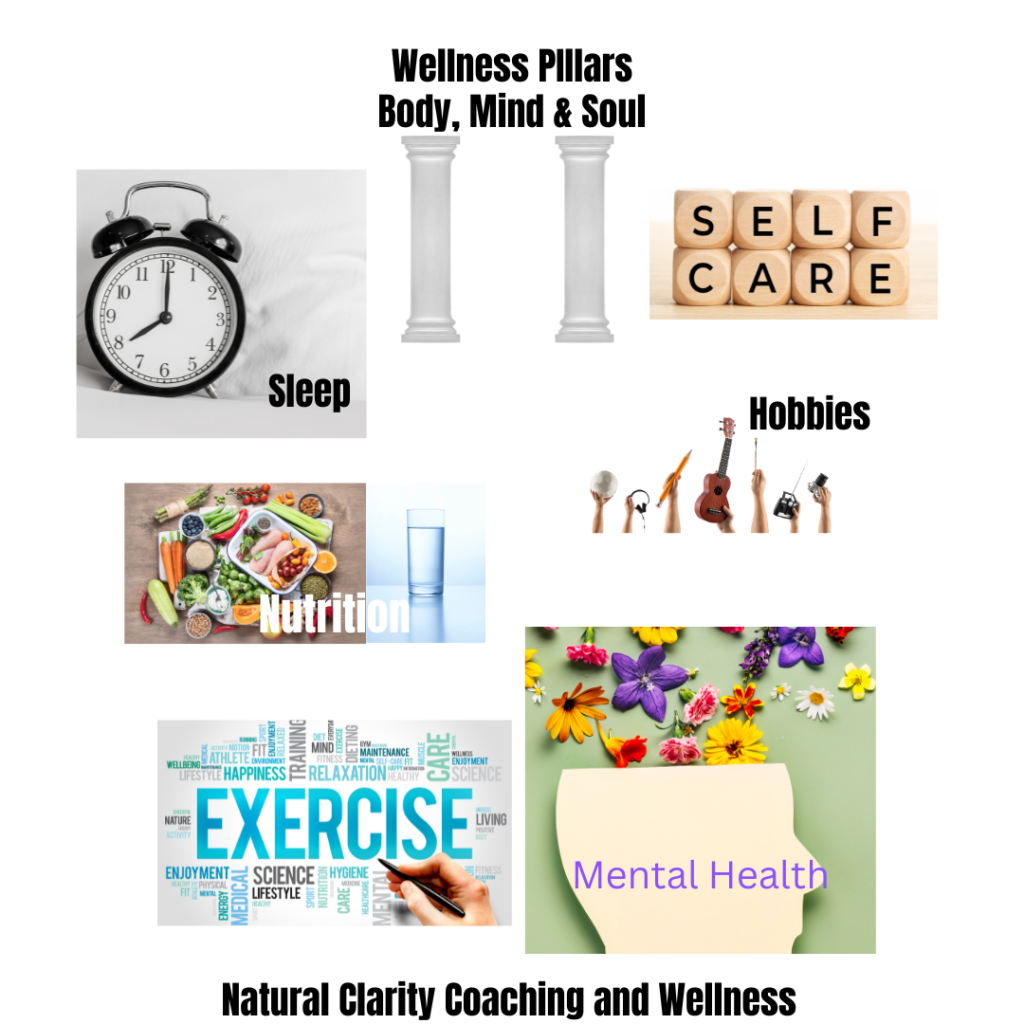
So, how do we bring wellness to our lives, especially if we’re currently experiencing some form of abuse? One path is to simply reach for it wherever and whenever we can, even if it seems like baby steps. Nutrition is one way. Fresh fruits and veggies are an ideal snack, side dish, or dessert, but canned and frozen still contain the nutrients. Eating as healthfully as possible under our current circumstances can make a big difference. Avoiding over-processed foods and “junk foods” can definitely help us feel better. They may bring some of us temporary emotional comfort but, in the end, they can make us feel worse while exacerbating the emotional eating cycle. If finances are a barrier, food banks are an option. There are also a variety of companies that offer daily mystery packages of baked goods, dairy products, meats, and fruit items at extremely low prices in order to avoid food waste. Staying hydrated is also incredibly important, with water being at the top of the list. Nutrition helps our bodies and minds to function better.
Exercise is another great way to work towards wellness. Do what you love! That may be jogging, cycling, skiing, skateboarding, tennis, soccer, basketball, walking (particularly in nature…fresh air can work wonders), or any number of other activities. All we need to do is move our bodies. One program that I’ve found very beneficial is called ‘Walk at Home’ (Instagram: @walkathome; Facebook: https://www.facebook.com/WalkAtHomeOfficial; Website: https://walkathome.com/). It’s in the style of a full-body walking workout that you can easily find on YouTube (https://www.youtube.com/channel/UCVl6ZdslZz2Zj-34bMJFPbg). The founder is Leslie Sansone; she’s very motivational, knowledgeable, and easy to listen to, as are the other fitness leaders who offer instruction within ‘Walk at Home’. The program offers a variety of routines to choose from and you can tailor them to your needs. Some are 15 or 20 minutes, others are 45. The longer ones are broken into 15-minute sections that are each equivalent to one mile so that you can easily choose how far and for how long you want to participate. Resistance bands are a part of some of the programming, which provides additional strength training. All of this can be done in a small space and is geared towards all ages and all levels of ability.
Other forms of working towards or maintaining wellness include journalling, meditation, yoga, engaging in hobbies we enjoy, spending time in nature, volunteering, reading, and so on. Also, if we’re in need of professional help for our emotional and/or mental state, we can reach out. Many counsellors and therapists offer subsidized or sliding-scale fees. See your general practitioner doctor for referrals to psychiatrists that may be covered by government health plans. There are also a variety of free or low-cost mental wellness apps available. Also, look up support groups on Facebook or other platforms for an opportunity to gain insight, knowledge, and to reinforce that we are not alone. There are so many options available…we just need to seek them out.
And sleep…this is a crucial part of wellness. But between stress, worry, and maybe even an abuser who keeps us from getting enough rest, sleep can be elusive. That means that we need to make a conscious effort to get as much sleep as possible. Once we are sleep-deprived, it’s much more difficult to bounce back. So keeping on top of our sleep needs matters. And it matters a lot. According to the National Heart, Lung, and Blood Institute, “[s]leep deficiency can interfere with work, school, driving, and social functioning. You might have trouble learning, focusing, and reacting. Also, you might find it hard to judge other people’s emotions and reactions. Sleep deficiency also can make you feel frustrated, cranky, or worried in social situations” (NHLBI, 2022).
Wellness is integral to us as human beings. When we’re in a rough patch of our life journey, it can be difficult to maintain it, but this is the very time that we need to cling to whatever self-care measures we can. An apple here, a walk there, water as often as possible, reading a few pages of a book, a few stretches when we get out of bed…every little bit helps to contribute to our overall wellness. And even smiling can have amazing benefits: “The feel-good neurotransmitters—dopamine, endorphins and serotonin—are all released when a smile flashes across your face as well. This not only relaxes your body, but it can also lower your heart rate and blood pressure” (Stevenson, 2012). And when we achieve any level of holistic wellness, it enhances our lives and provides us with strength to face whatever challenges may come our way. It’s empowering and enriching. So, even if we have to do it in baby steps, wellness benefits all of us.
Until next time,
~Heather~ Natural Clarity Coaching and Wellness
naturalclaritycoaching.com na********************@***il.com
Natural Clarity Coaching on Facebook, Instagram, LinkedIn, and X (Twitter)
*Let’s all take care of this planet of ours *

References
National Heart, Lung, and Blood Institute. (2022, March 24). Sleep Deprivation and Deficiency – What Are Sleep Deprivation and Deficiency? | NHLBI, NIH. www.nhlbi.nih.gov. https://www.nhlbi.nih.gov/health/sleep-deprivation#:~:text=Sleep%20deficiency%20can%20interfere%20with
Stevenson, S. (2012, June 25). There’s Magic in Your Smile | Psychology Today Canada. www.psychologytoday.com. https://www.psychologytoday.com/ca/blog/cutting-edge-leadership/201206/there-s-magic-in-your-smile
Stoewen, DL. Dimensions of wellness: Change your habits, change your life. Can Vet J. 2017 Aug;58(8):861-862. PMID: 28761196; PMCID: PMC5508938.