Tag: learn (Page 7 of 7)

The Connection Between Narcissistic Abuse, Trauma, and Addiction

As I’ve written about in previous posts, narcissistic abuse can be emotional, physical, psychological, and/or verbal. Those who have experienced it may struggle with anxiety, depression, C-PTSD, self-esteem issues, dissociation, questioning reality, and other issues. Targets of narcissistic abuse may feel confused, ashamed, worthless, and to blame for situations that they didn’t cause. And this can occur within families, friendships, work environments, and romantic relationships.

Turning to substances or addictive behaviours may be viewed (consciously or unconsciously) as a means of coping with trauma and emotional pain, allowing for temporary relief from abuse and a false feeling of comfort and control. These may come in the form of alcohol, drugs, gambling, excessive shopping, eating disorders, risky sexual behaviours, or self-harm.
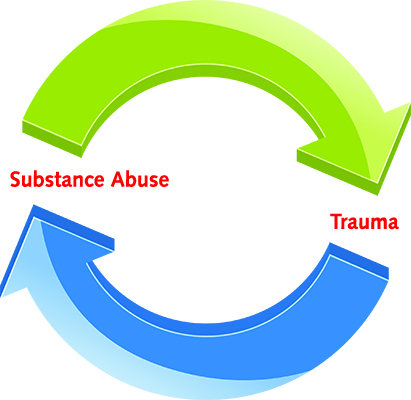
Seeking solace in substances or behaviours often becomes part of the cycle of abuse. Sometimes abusers may use their target’s addiction to manipulate and control them further in order to maintain power and dominance in the relationship. This can then add to the target’s feelings of helplessness and lack of control while deepening the abuse and addiction cycle.

Help is available, though, by having a professional create an approach for addressing both the trauma and addictive behaviours. CBT (cognitive behavioural therapy) and DBT (dialectical behavioural therapy) can be helpful to heal trauma, learn coping tools, and rebuild self-esteem and confidence. Online and in-person support groups (AA, etc.) are also invaluable resources.

As always, self-care is important in this process, as is establishing and maintaining boundaries and spending time with trusted others who are supportive of the healing process.

Remember that there is hope. Addiction is a common response to abuse and trauma because it provides a reprieve; but this is only temporary and addictions are unhealthy. So it’s important for those of us who are scapegoats or exposed to toxic people, to be aware of the potential for leaning on substances or addictive behaviours for solace in order to keep it and the intertwined cycle from happening. And if it has managed to happen, we need to seek support and assistance from professionals and trusted others so that we can eradicate it from our lives. We deserve to be healthy, abuse-free, and addiction-free.

Here are some book recommendations on the subject of abuse, trauma, and addictions: https://amzn.to/3UiE8CX

Until next time,

~Heather~ Natural Clarity Coaching

naturalclaritycoaching.com na********************@***il.com

Natural Clarity Coaching on Facebook, Instagram, LinkedIn, and TikTok

*Let’s all take care of this planet of ours*

Peace and Space After Narcissistic Abuse

Maybe we went no contact with the narcissist. Or low contact. There may simply be new boundaries that we won’t allow to be crossed. Whatever the case may be, less time interacting with narcissists or other toxic people often amounts to more peace and space in our lives.

How do peace and space help? First of all, we can step back and just breathe. And we can view ourselves and our lives without the cloud of abuse hanging over us. Peace allows for clearing the mind of abusive chatter. We can see things more clearly, including ourselves. And the more space and peace we experience, the more strength we develop and the less tolerance we have for abusive behaviour.

Will peace and space feel strange off the start? Definitely. When we’ve been in any sort of abusive relationship (from family to partners, co-workers, friends, etc.), we don’t have either of those things. They are unfamiliar. So when they come into our lives, it can be unsettling at first. But if we sit with them and learn to appreciate space and peace, they can take us to beautiful and empowering places. We can learn to love ourselves, to see red flags and toxic patterns, and to take steps to protect ourselves from future abuse.

The longer we have peace and space in our lives, the more clearly we will see behaviours that don’t mesh with them. We’ll protect them because we know how important they are to our wellbeing. And, most importantly, we’ll grow to recognize that we deserve to be treated with respect and that we are not to blame for the issues of disordered people.

Here is a link to resources for finding peace after abuse: peace after abuse

Until next time,

~Heather~ Natural Clarity Coaching

naturalclaritycoaching.com na********************@***il.com

Natural Clarity Coaching on Facebook, Instagram, LinkedIn, TikTok

*Let’s all take care of this planet of ours*

Feel Those Feelings!

One thing many of us find common with narcissists is that they don’t like seeing others express emotion, especially their scapegoat(s). Why? Because they can’t control other people’s emotions. They have no way of predicting or managing whether tears might turn to anger or any other emotions. And they could lose people (such as enablers or flying monkeys) who typically ‘side’ with them — even temporarily — if empathy is felt and expressed by others towards the scapegoat.

The narcissist needs the scapegoat to be under their thumb at all times so that they can confidently manage the family/relational dynamics and maintain their position of power. However, the rule of no emotions, of course, does not apply to them. Narcissists love to show emotion when it suits them, and they can turn on the emotional drama when they need to manipulate a situation. Yes, in their opinion, they’re allowed to show emotions — fake or real — and everyone needs to accept it and take care of them, but they don’t tolerate it well from anyone else.

As is typical, narcissists don’t want anything or anyone in their environment that might be unpredictable, uncontrollable, or liable to impact their power. When scapegoats show emotion, it’s common for narcissists to respond with anger, disgust, or even the silent treatment in an attempt to shut it all down as quickly as possible.

Remember, it’s okay to feel. No one has the right to tell anyone how their feelings should look, or that they’re not allowed to express their feelings at all. Certainly, sometimes it’s safer to avoid expressing emotions in front of people who are known to invalidate them or to become angry or violent, but the key is to not allow that to become a habit throughout all areas and with everyone in our lives.

We humans are thinking, feeling beings. We have the right to think and to feel in whatever ways work for us. Our emotions belong to us.

Until next time,

~Heather~ Natural Clarity Coaching

www.naturalclaritycoaching.com na********************@***il.com

Natural Clarity Coaching on Facebook, Instagram, LinkedIn, and TikTok

*Let’s all take care of this planet of ours*
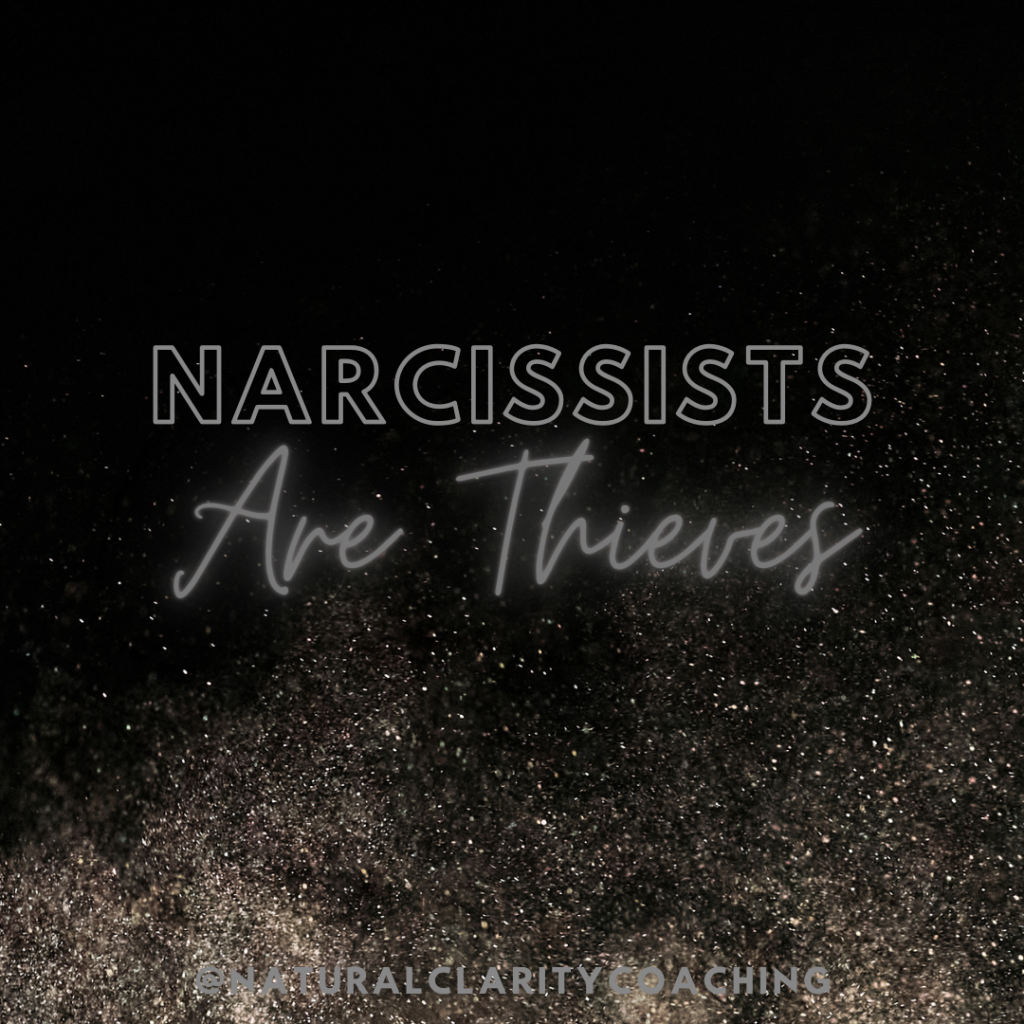
Narcissists are Thieves of Many Things

Narcissists are definitely thieves. Of time, people, things, money, and the list goes on.

As far as time goes, narcissists steal our time by wasting it on them and their inauthentic selves.

Narcissists cause damage and loss of relationships by stealing people from us after launching smear campaigns.

They steal our things and may even take from our loved ones.

And they often abuse us financially.

Yes, narcissists are thieves. So, how do we protect ourselves from this behaviour? If we can avoid narcissists in the first place, that’s the best plan. But if we’re already with them or have recently left them, we need to put up boundaries and do our best — depending on the situation — to either accept the loss, or attempt, within safe reason, to reclaim our property or funds. It comes down to personal choice. If it matters enough to us, we can also try to mend broken relationships caused by the narcissist. And we can’t get back our time but we can make the loss less painful by ensuring that no one is able to steal it again.

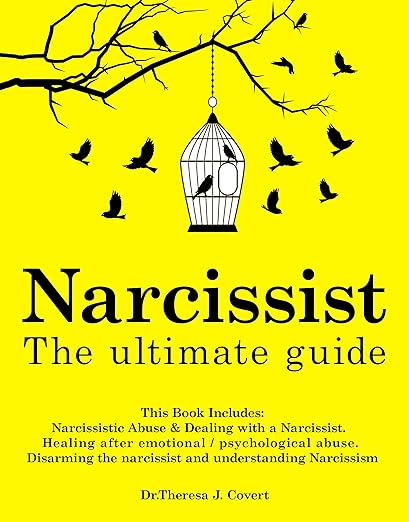
*Another great book suggestion: https://amzn.to/3Qyxjtu

Until next time,

~Heather~ Natural Clarity Coaching

naturalclaritycoaching.com na********************@***il.com

Natural Clarity Coaching on Facebook, Instagram, LinkedIn, and TikTok

*Let’s all take care of this planet of ours*
This Upcoming Online Program Might Be For You!

Are you interested in being part of the movement to raise awareness about using intuition to its fullest, identifying red flags, and understanding toxic personalities (including narcissistic personality disorder)? Do you want to consult with and be a support system for people who are trying to learn, heal, grow, and thrive after narcissistic abuse and other forms of damage by disordered individuals? Would you like to empower yourself and others to thrive and live a peaceful, healthy life?

Stay tuned in the upcoming weeks for the launch of a new online program that could change your life and the lives of those with whom you interact! We’re looking forward to sharing it with you.

Until next time,

Heather ~Natural Clarity Coaching~

naturalclaritycoaching.com na********************@***il.com

Natural Clarity Coaching on Facebook, Instagram, LinkedIn, TikTok

Holistic Health – The Focus at Natural Clarity Coaching

Holistic Health is the focus for healing and wellness at Natural Clarity Coaching.

Spiritual, physical, mental, emotional and social. It’s a whole person approach based on how we interact with our environment. The focus is on the mind-body-spirit connection.

If this approach to health interests you (whether it be in healing from narcissistic abuse, making significant life changes, placing a new emphasis on nutrition and exercise, learning about emotional intelligence, etc.) and you would like more information or to schedule an online or telephone appointment, the contact email is na********************@***il.com. Touch base and find out how we can work together towards improving and maintaining your holistic health.

Until next time,

Heather ~Natural Clarity Coaching~ www.naturalclaritycoaching.com na********************@***il.com Natural Clarity Coaching on Facebook, Instagram and Twitter.

Newer posts »