Rebuilding trust after narcissistic abuse can be a challenging and gradual process. Here are some steps we can consider taking to rebuild trust in ourselves and others:
Understand the Dynamics of Narcissistic Abuse: Educate yourself about narcissistic abuse to gain a deeper understanding of what you’ve experienced. Knowledge can empower you to recognize and address the patterns of manipulation and control.
Seek Professional Support: Consider seeking therapy or counseling with a mental health professional experienced in trauma and abuse. A therapist can help us navigate our emotions, process the trauma, and develop coping strategies.
Establish Healthy Boundaries: Learn to set and enforce healthy boundaries. Identify what is acceptable and unacceptable behavior in our relationships, and communicate these boundaries assertively.
Practice Self-Compassion ❤️: Be patient and gentle with ourselves. Healing takes time, and it’s essential to acknowledge our progress and give ourselves credit for overcoming challenges.
Cultivate Self-Awareness: Develop a deep understanding of ourselves, our needs, and our values. This self-awareness will help us make healthier choices in relationships and identify red flags early on.
Build a Support System: Surround ourselves with supportive friends and family who understand our journey and can offer encouragement. A strong support system can provide validation and help rebuild our sense of trust in others.
Set Realistic Expectations: Understand that trust-building is a gradual process. It’s okay to take small steps and set realistic expectations for ourselves. Celebrate the victories, no matter how small, along the way.
Engage in Activities We Enjoy: Reconnect with activities and hobbies that bring us joy. Engaging in positive experiences can contribute to our overall well-being and help us rebuild a sense of trust in the world.
Explore Mindfulness and Relaxation Techniques: Practices such as mindfulness, meditation, and deep breathing can help us manage anxiety and stress. These techniques can also enhance our ability to stay present and focused on the positive aspects of our lives.
Consider Professional Development: If applicable, consider career or personal development opportunities to boost self-esteem and confidence. Feeling accomplished in other areas of our life can positively impact our ability to trust ourselves and others.
Remember that healing from narcissistic abuse is a unique and individual process. If we find the journey particularly challenging, seeking professional help is crucial. A therapist can provide guidance, support, and additional strategies tailored to our specific situation. ⭐️
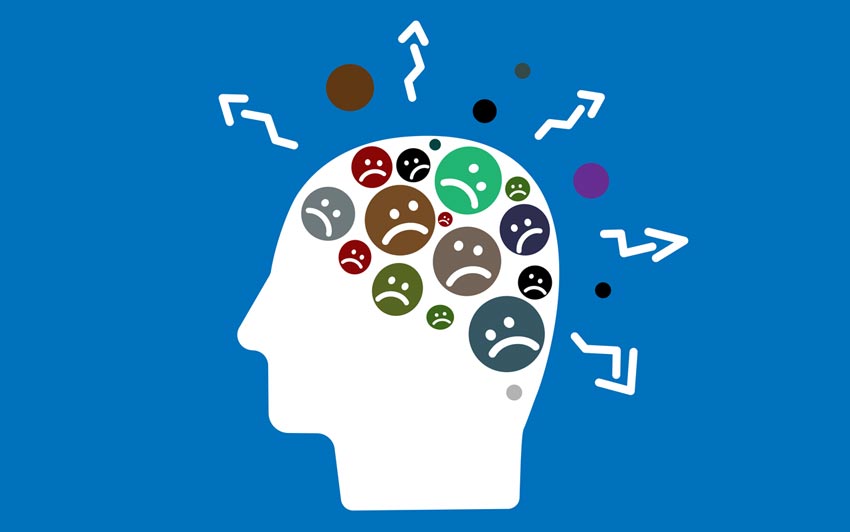
Experiencing narcissistic abuse, especially on a long-term basis, can have profound and lasting cognitive effects. It’s important to note that the impact of abuse can vary from person to person, and not everyone will experience the same effects. Here are some common cognitive effects associated with narcissistic abuse:
Low Self-Esteem: Narcissistic abuse often involves demeaning and belittling behaviors, which can erode a person’s self-worth and confidence. Victims may internalize the negative messages and develop low self-esteem.
Gaslighting: Narcissists frequently use gaslighting techniques to manipulate and control their victims. Gaslighting involves distorting or denying the truth, causing the victim to doubt their own perceptions, memories, and sanity. This can lead to confusion and self-doubt.
Anxiety and Depression: Long-term exposure to narcissistic abuse can contribute to the development of anxiety and depression. The constant stress, fear, and uncertainty in an abusive relationship can take a toll on mental health.
Cognitive Dissonance: Victims of narcissistic abuse may experience cognitive dissonance, a psychological phenomenon where a person holds conflicting beliefs or attitudes. This can occur when the victim is simultaneously aware of the abusive behavior but struggles to reconcile it with the manipulative charm or kindness displayed by the narcissist.
Hypervigilance: Living with a narcissist can create an environment of unpredictability and fear. As a result, survivors may develop hypervigilance—a heightened state of awareness and sensitivity to potential threats. This constant state of alertness can be mentally exhausting.
Difficulty Trusting Others: Betrayal and manipulation by a narcissist can make it challenging for survivors to trust others. They may fear being deceived or hurt again, leading to difficulties forming and maintaining healthy relationships.
Sense of Guilt or Shame: Narcissists often blame their victims for the problems in the relationship, even when the responsibility lies with the abuser. This can lead to feelings of guilt and shame in the survivor, perpetuating a cycle of self-blame.
Impaired Decision-Making: The constant manipulation and control tactics employed by narcissists can undermine a person’s ability to make independent decisions. Survivors may second-guess themselves and struggle with decision-making.
Isolation: Narcissists may isolate their victims from friends and family as a means of maintaining control. This isolation can contribute to feelings of loneliness, further impacting the person’s mental well-being.
Post-Traumatic Stress Disorder (PTSD): In severe cases, prolonged exposure to narcissistic abuse may lead to symptoms of post-traumatic stress disorder, such as intrusive memories, flashbacks, and heightened arousal.
It’s important for individuals who have experienced narcissistic abuse to seek support from mental health professionals, friends, or support groups. Therapy can be a crucial step in healing and rebuilding cognitive and emotional well-being.
Experiencing grief after the death of a disordered or enabling parent can be a complex and challenging process. It’s important to recognize that everyone’s experience with grief is unique, and there is no right or wrong way to feel. Here are some thoughts and suggestions that might help us, particularly as scapegoats, to navigate this difficult time:
Allow Yourself to Feel: Grieving is a natural and individual process. Allow yourself to feel a range of emotions, including sadness, anger, relief, confusion, or even a lack of emotion. It’s okay to experience a mix of feelings.
Seek Support: Consider reaching out to friends, family, or a therapist who can provide a supportive and non-judgmental space for you to express your emotions. Grieving can be a solitary process, but having a support system can make a significant difference.
Set Boundaries: If there are family members or others who may not understand your complex relationship with the deceased, it’s okay to set boundaries. You don’t owe anyone a detailed explanation of your emotions, and it’s crucial to prioritize your well-being during this time.
Journaling: Writing down your thoughts and feelings in a journal can be a therapeutic way to process your grief. It can also help you gain clarity and insight into your emotions.
Self-Care: Take care of yourself physically and emotionally. Grieving can be exhausting, so ensure you get enough sleep, eat well, and engage in activities that bring you comfort and joy.
Therapy or Support Groups: If the relationship with your parent was particularly challenging due to narcissism, enabling, or other issues, seeking therapy or joining a support group can be beneficial. A mental health professional can help you navigate the complexities of your emotions and provide guidance.
Acknowledge Mixed Emotions: Grieving a narcissistic or estranged parent can be complicated because of the conflicting emotions involved. You might feel relief or freedom along with grief. Acknowledge these mixed emotions without judgment.
Forgiveness (If Possible): Forgiveness is a personal process and not something everyone can or should pursue. However, some individuals find a sense of peace in forgiving, not for the benefit of the deceased but for their own healing.
Remember that healing is an individual and gradual process, and it’s okay if it takes time. Be patient with yourself and, if needed, seek professional support to help you navigate the emotional complexities of grieving a narcissistic or enabling parent.
I don’t often write from a strictly personal level but I thought this experience might resonate with other scapegoats.
My narcissistic parent – despite constantly pressuring me to attain high levels of achievement – has told me, from the earliest days I can remember, that I’m ‘average’. Average (sometimes below average) at everything – academics, music, athletics, social skills, personality, appearance, and so on. And I was constantly reminded that while high achievement was required by them, I was incapable of achieving it. Impossible situation. You get the picture. And I was informed of this at every opportunity. The message was that I was never enough, that I was always falling short. And so, from the time I was a young child, I believed the negativity and biased things I was told about myself. I mean, as children, we tend to believe our parents without question. They’re our everything, and we think that they’ll keep us safe and look out for our best interests. I was no different in that regard.
Negativity Bias
I always hoped that my parent might show pride or give me a compliment if I just kept working away as much as possible, existing under constant pressure. I wanted to make them proud. I wanted to avoid their disappointment and negative comments. But it never happened, no matter what I did. If I received an ‘A’ on a school project, they wanted to know why it wasn’t an ‘A+’. If I received an ‘A+’ on an assignment, then they assumed every student must have received high marks because it was too easy. Or if I was practicing the piano, one wrong note was all I received feedback on from my parent while the many accurate notes were completely ignored. I typically felt as though I was failing at everything I attempted. It seemed as though I was never good enough and never would be. And, ironically, yes, my golden child sibling was often an underachiever and yet received accolades from our narc parent at every turn. That continues to this day.
Narcissistic family depiction
Looking back, at different times over the years, at report cards, music conservatory records, sports medals, memories of great friendships, compliments from trusted others, and who I knew or felt myself to be, I often questioned the significant differences between my parent’s perspective of me and my achievements and the voices of those outside our immediate family. And yet I always deferred to the negative portrayal simply because this was my parent and I thought they knew me best. In fact, I was often told that they knew me better than I knew myself. Their negative voice and perspective eventually became cemented in my mind and coloured most of my daily life. It did a lot of damage, to say the least. And, as an adult, it took a lot of time and effort to undo the worst of it once I realized the truth about my family. Now I look at the past through different eyes and give myself credit for my achievements, especially in the face of the negativity and never-ending stress that existed.
Fast-forward to this week. Narcs like to come out of the woodwork during special occasions. Although I’m no-contact with this individual, they are determined to get negative messaging to me and tend to do that through family members. So, the long and the short of it is that my ‘parent’ (using the term loosely) conveyed to a family member a comment that made it unquestionably clear that their unfounded belief about my ‘average-ness’ or ‘below average-ness’ has not changed in the slightest, regardless of my actual accomplishments and who I actually am as a person. They continue to launch smear campaigns and take aim at me, even after years of estrangement.
And that’s okay. Why? Because it’s their issue, not mine. This person branded me as a scapegoat as soon as I came into the world. They’ve felt threatened by my very existence because they’re always on high alert for protecting and bolstering their fragile ego. They needed someone to take all the blame in the family, and I was the chosen one. And that behaviour has continued throughout my life. I’ve been the family scapegoat since day one. My enabling parent told me several years ago that I had been the ‘problem’ in our family my entire life because I wouldn’t go along with the dynamics of their toxic spouse. That’s the scapegoat role in a nutshell. Even though I’ve kept myself protected and out of their lives for many years, they still need to keep me (in their mind) in that role in order to maintain the balance of the dysfunctional family dynamics. This person’s attitude towards me will never change, nor will my enabling parent ever see me in any way but what is dictated by the head narc because, otherwise, their life would be complete misery. I know all of that, I accept it, and it is what it is.
So be it. It literally has nothing to do with me. And for all of you who are scapegoats, how you are perceived by dysfunctional family members and other toxic individuals or enablers is not rooted in reality. It’s based in who they need to see you as – who you need to be in their minds – in order to ensure that your scapegoat role continues. Being able to point fingers and place blame on you is the key for them to avoid the consequences of their own bad behaviour. Even if you’re not in their lives and they know nothing about your life, they will continue to target you. They need you. But the truth is, you don’t need them. Someone once asked me, “If they weren’t your parent, would you choose that person as a friend?”, and I couldn’t honestly say that I would. I prefer non-toxic friends.
Going into this new year, let’s all try to show ourselves compassion, acceptance, patience, and love. Positive self-perception has the power to override even the worst of comments and attitudes from narcissistically inclined people. We get this one life to live and we might as well make it a great one. Some people aren’t conducive to that goal, and they never will be. In the end, as adults, we have the ultimate choice in who goes along with us on our life’s journey. Choose wisely, my friends. And it also helps to keep in mind that low expectations can go both ways. We may have a parent who scapegoats us and, in my specific case, places us in the realm of ‘below average’ or some other unjustified space, but the most realistic response to those attitudes is to hold low expectations of that parent who scapegoats us. They are emotionally immature people who engage in smear campaigns against their own scapegoated children, regardless of their age or any other factors, and have never been supportive, shown authentic pride, or expressed genuine love for us. Why expect more? Let’s all be our own biggest fan and negate the need to seek approval from others, particularly narcissists.
I hope that this post helps someone in some way. ❤️
As we quickly approach the beginning of a new year, some of us may be thinking about resolutions to make.
Most scapegoats are conditioned to look after everyone else’s needs, to accept constant blame in order to maintain family peace, and to push our own needs down until they’re barely visible anymore. So, why not resolve to prioritize ourselves in terms of self-care and self-love? Why not focus on our own future for a change?
Small goals are fine to start. As they pick up momentum, they will grow. Once we learn how to truly care for ourselves, it becomes a way of life. No, it’s not selfish, despite the messaging many of us have received as scapegoats throughout our lives. And looking after ourselves doesn’t mean we are doing anyone a disservice. We can’t pour from an empty cup, right?
So, whether it’s a new year’s resolution or simply resolutions throughout the year, it’s important to prioritize ourselves for self-care and focusing on our goals. We may have grown up in spaces that promoted behaviour that didn’t benefit us, and, in fact, was often harmful to us, but we’re the captains of our ships and we can make decisions that bolster our holistic wellbeing and health. There’s no better time than the present to take steps, even if they’re small ones, towards a better future, peace, and wellness.
Today and every day, no matter who you are, I wish you peace in your life. It’s worth its weight in gold.
So, if you’re dealing with narcissists over the holidays and stress is taking its toll, or you’re alone and feeling down, look for peace within yourself. That could mean deep breathing to relax your body and mind, taking a few moments to escape from someone who is causing drama, watching your favourite sitcom or movie, listening to (or playing some) music, taking your dog for a walk or hanging out with your cat. Whatever you need to do to simply relax and find some peace, go for it. Wellness (physical, mental, emotional) comes from within, and it typically grows together with peace, no matter how much or how little.
On this day, regardless of your surroundings, find your inner peace. It may be fleeting or you may be fortunate enough to hang onto it indefinitely, but the key is to find it in the first place and enjoy it while you can. And always remember, corny as it sounds, your life matters – you matter – so be kind to yourself.
Merry Christmas, Happy Holidays, TGIF!!
Until next time,
Heather ~Natural Clarity Coaching~ www.naturalclaritycoaching.com na********************@***il.com Natural Clarity Coaching on Facebook, Instagram and Twitter
The holiday season has always had the potential to bring a mixed bag of emotions with it, including loneliness. This year, the pandemic has created an entirely new set of circumstances on a global level. Many areas all over the world have been placed under government directives to socialize only with those with whom they reside throughout the holidays. For those who live alone, they are allowed to visit with the member(s) of one other household. Obviously these directives vary depending on where you live but the above seems to be fairly common.
There are plenty of ways to keep loneliness at bay during special occasions and on a more regular basis. Keeping busy (with rest and relaxation mixed in, of course) is the ultimate method because it can help to keep our minds from dwelling on situations that may bring with them feelings of sadness and/or loneliness. Read a book, listen to music, continue with or take up a hobby (writing, photography, art, music, dance, gardening or houseplants, etc.) or online course (lots of good ones out there and some are free or currently on sale), watch some great shows or movies (I’m finding ‘This is Us’ to be a series I enjoy watching, and ‘Burden of Truth’ was great before this, too. ‘Klaus’ is the most recent movie I watched and I found it to be really well-written and executed), tackle jobs around your home that you haven’t had time for. Go for a drive along a scenic route. Or call/text/message/Zoom with friends and family. It may not be the same as in-person gatherings but they are still good ways to connect.
Exercise is another option for spending time during the holidays. Walking, skiing (X-country or downhill) or snowboarding, sledding, snowshoeing, skating, jogging, biking – all great forms of outdoor fitness that easily comply with physical distancing directives and will get you into the fresh air and releasing those endorphins. Just being out in nature can be uplifting and a mood booster. Indoors, there’s yoga, Pilates, walking on a treadmill, stretches or simple workout routines, to name a few.
If you do find that loneliness or even depression begin to creep in and you need assistance to deal with it, always know that there is professional help available. Therapists and counsellors appear to be offering both in-office and virtual sessions. Some may even have subsidized sessions available, depending upon your financial situation. There are also many online resources like Big White Wall, Headspace and other providers who are available 24/7 online and/or by phone. You are never alone. With mental health finally getting the attention it deserves, more and more resources are being developed and made easily accessible to the general public. A quick internet search will find you someone to talk to at any time of the day or night. In an emergency mental health situation, though, don’t hesitate to call 9-1-1.
Cooking and/or baking can be enjoyable activities, especially for special occasions. If you’re an experienced cook or baker, whip up your favourite dishes or try something new. If you’re a novice, take some time to practice with recipes you’re interested in learning to make. In the event that you need some direction, call a friend or family member, or watch a YouTube video for more in-depth explanations and tips.
How about starting a side hustle? With the pandemic-related move to more and more businesses going online, now might be the perfect time to give life to that idea that you’ve been dreaming about. The possibilities are endless. And you just might find that your passion could turn into your new livelihood.
So, going into the upcoming holiday season, we all have the option of making the best of it and taking steps to avoid loneliness as much as possible. We might even rekindle or discover activities that will stay with us long beyond the holidays. 🙂
Until next time,
Heather ~Natural Clarity Coaching~ www.naturalclaritycoaching.com na********************@***il.com Natural Clarity Coaching on Facebook, Instagram and Twitter