Tag: healthy lifestyle (Page 3 of 3)

‘Life’s Like This’

I invite you to check out my new YouTube channel, ‘Life’s Like This’. As a division of Natural Clarity Coaching and Wellness, this creation hones in on healthy aging, health and wellness, and other related topics with regular videos. Enjoy!

Until next time,

Heather ~Natural Clarity Coaching & Wellness~

naturalclaritycoaching.com na********************@***il.com

Natural Clarity Coaching on Facebook, Instagram, and LinkedIn

Let’s all take care of this planet of ours


Hello again!

It’s been a while since I last posted. A few months, in fact! It has been a busy time with finishing up an Honours BA, starting a certificate program in Aging and Gerontology, and, well, just doing life.

So I’m taking this opportunity to introduce myself to anyone who might be new here and to set out the services offered.

I’m Heather. I’ve been creating posts on this website since 2019. Some are cathartic, some educational, and some opinion/experiences. All are shared in the hopes of helping others. In 2021, I returned to university to delve into new fields of study. In this case, it was psychology, criminology, and gerontology/aging (you can see my academic pursuits in the ‘About’ section). I graduated from a four-year honours BA this past April (2025). As I mentioned above, I am currently enrolled in a certificate program in Aging and Gerontology.

So, what’s to come?

  • More posts on a variety of topics
  • Online, one-to-one coaching (life, health and wellness, healthy aging for people of all ages, narcissistic abuse recovery, music interventions for improved health, perimenopause/menopause, and more) (send an email to na********************@***il.com to schedule a virtual appointment ($60/hour – sliding scale based on income)
  • Online, asynchronous programs on some of the topics listed in the bullet point above
  • Book(s)

Until next time,

Heather ~Natural Clarity Coaching & Consulting~

naturalclaritycoaching.com na********************@***il.com

Natural Clarity Coaching on Facebook, Instagram, and LinkedIn

Let’s all take care of this planet of ours

More Hydroponic Progress – another part of a healthy lifestyle and healthy aging

I’m so impressed with how well these veggies and plants are growing in the Aerogarden hydroponic systems! It’s very easy maintenance and the benefits just continue to flow. And being self-sufficient for these items and not needing to fork out $$ at the grocery store are big pluses! There are SO many types of veggies and/or plants that can be grown in these systems and you can tailor your choices to your own food/plant preferences. Here are links to the three types of Aerogardens I have:

Aerogarden Harvest Limited Time Deal on Right Now (67% off – $49.99 CDN!) : https://amzn.to/3W7qhzd

Aerogarden Harvest Elite 360 Limited Time Deal on Right Now (23% off!): https://amzn.to/3PlbvRF

Aerogarden Sprout On Sale Right Now (35% off – $34.49 CDN)! https://amzn.to/4a7sQr4

Little Gem Lettuce, Peas

Cherry Tomatoes, Mini Peppers (in bottom of image)

Flowers on Cherry Tomato plant – more tomatoes to come!

‘Baby’ African Violet that I started from a parent leaf (NOID – No ID)

Mini variety of Strawberries just starting out

Until next time,

~Heather~ Natural Clarity Coaching & Wellness

www.naturalclaritycoaching.com/na********************@***il.com

Natural Clarity Coaching on Facebook, Instagram, LinkedIn, and YouTube

*Let’s all take care of this planet of ours*

Healthy Lifestyle and Its Influence on Quality of Life and Longevity – Part 1

Healthy lifestyle choices that promote quality of life and longevity often focus on maintaining physical, mental, and emotional well-being. Here are some key strategies:

Nutrition/Food

  • Balanced Diet: Emphasize whole, nutrient-dense foods like fruits, vegetables, whole grains, lean proteins, and healthy fats.
  • Moderation: Avoid overconsumption of calories, processed foods, and added sugars.
  • Hydration: Drink adequate water throughout the day.
  • Antioxidant-Rich Foods: Include foods high in antioxidants, such as berries, nuts, and leafy greens, to combat oxidative stress.
  • Limit Alcohol: Drink alcohol in moderation, if at all.

Physical Activity

  • Regular Exercise: Engage in at least 150 minutes of moderate aerobic activity or 75 minutes of vigorous activity weekly, along with strength training twice a week.
  • Flexibility and Balance: Practice yoga or tai chi to improve balance and reduce fall risks as you age.
  • Stay Active: Incorporate physical activity into daily life, like walking, gardening, or taking stairs.

Mental Health

  • Manage Stress: Use techniques like mindfulness, meditation, or breathing exercises to reduce stress levels. Learn how to cope well with toxic people and situations.
  • Lifelong Learning: Keep the brain active with new challenges, puzzles, or educational pursuits.
  • Positive Relationships: Maintain strong social connections to support emotional well-being.
  • Seek Help: Address mental health concerns like anxiety or depression with professional support if needed.

Sleep

  • Adequate Rest: Aim for 7–9 hours of quality sleep each night.
  • Sleep Hygiene: Maintain a consistent sleep schedule and create a restful environment.

Preventive Healthcare

  • Regular Checkups: Visit healthcare providers for routine screenings and vaccinations.
  • Monitor Chronic Conditions: Manage conditions like diabetes, hypertension, or high cholesterol with professional guidance.

Avoid Risky Behaviors

  • No Smoking: Avoid tobacco use in all forms.
  • Moderate or No Consumption of Alcohol
  • Safe Practices: Follow safety measures, like wearing seat belts and avoiding excessive sun exposure.

Cultivate Purpose

  • Meaningful Activities: Engage in hobbies, volunteering, or work that provides a sense of purpose and fulfillment.

Environmental Considerations

  • Clean Environment: Minimize exposure to pollutants and toxins.
  • Green Spaces: Spend time outdoors in nature to improve mood and reduce stress.

Adopting these habits consistently over time can help improve overall quality of life and extend lifespan.

Check out our newest YouTube video. This is Part 1, and Part 2 will be available to view in the coming days.

Until next time,

~Heather – Healthy Aging Specialist, Health and Wellness Coach, Narcissistic Abuse Recovery Support, Writer, Educator, End-of-Life Doula

Natural Clarity Coaching & Wellness

www.naturalclaritycoaching.com/na********************@***il.com

Natural Clarity Coaching on Facebook, Instagram, LinkedIn, YouTube

*Let’s all take care of this planet of ours*

Social Determinants of Health and Growing up in a Dysfunctional Family (Possibly with Narcissists)

In my current university program studies, a certain number of electives are required in order to fulfill the requirements of a degree.  Last year, I stumbled across an elective course on the subject of the social determinants of health (SDoH).  It sounded interesting so I decided to take it.  I have since taken two more courses on related subjects on health inequities and health promotions/interventions.  To say that I’m intrigued would be an understatement.

So, if you haven’t already heard of them, the SDoH are:  “the non-medical factors that influence health outcomes. They are the conditions in which people are born, grow, work, live, and age, and the wider set of forces and systems shaping the conditions of daily life” (CDC, 2022).  Further, SDoH are “linked to a lack of opportunity and resources to protect, improve, and maintain health. Taken together, these factors create health inequities— types of health disparities that stem from unfair and unjust systems, policies, and practices, and limit access to the opportunities and resources needed to live the healthiest life possible” (CDC, 2022).

Borrowed from CMHA - Ontario

Borrowed from CMHA – Ontario

To be more specific, SDoH come in many forms:

  • unemployment and job security
  • gender
  • Indigenous status
  • disability
  • housing
  • early life
  • income and income distribution
  • education
  • race
  • employment and working conditions
  • social exclusion
  • food insecurity
  • social safety net
  • health services

Looking at the example of early life, unresolved childhood trauma can result in mental health and/or addictions issues, to name just two.

I think it’s easy to see how growing up (early life)  with, for example, a narcissistic parent could be considered a social determinant of health, encompassing the holistic (whole person) levels of mental, physical, spiritual, emotional, and social health.   These experiences have the strong potential to send us down paths that lead to serious impacts which negatively affect our overall health and wellbeing. There are obviously other SDoH’s listed above that could be linked with a dysfunctional upbringing.

With this knowledge in hand, a strong response as, say, an adult child of a narcissist(s) acquiring awareness of their disordered childhood and onward, would be: educating oneself on narcissism and its far-reaching, negative effects in order to understand the ‘why’ and ‘how’ on a personal level; engaging in regular self-care; accessing professional resources (mental health, coaching, wellness, etc.) to assist in their healing journey; and so on.  Focusing on the hurt caused by a toxic person or people doesn’t typically aid in healthy, positive progress.  But what does help is acknowledging the pain, understanding the mechanisms behind the dysfunctional behaviour and its impacts on us as targets, and then focusing on healing ourselves so that we can find peace and fulfillment in our lives and relationships of our choosing (as opposed to ones we were born into, should we decide we no longer wish to maintain them).

We owe it to ourselves to be resilient and move forward despite what we’ve endured.  Is it an easy task?  Definitely not.  But is it worth it?  Absolutely, 100 percent.  The possibilities for our lives are virtually limitless when we acquire the coping tools to see beyond the effects of the cloud of abuse and dysfunction, and maybe even remove ourselves from its unpleasant influence altogether.  That’s an entirely different topic, though – see previous posts on low contact and no contact.

More on this in future posts.

Until next time,

Heather ~Natural Clarity Coaching~ naturalclaritycoaching.com na********************@***il.com Natural Clarity Coaching on Facebook, Instagram, LinkedIn, and Twitter

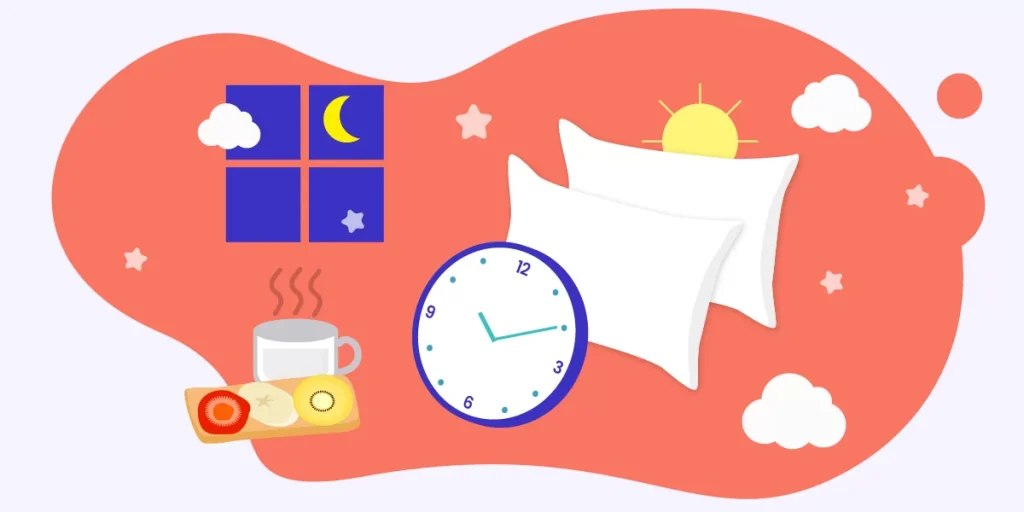
Sleep and why it’s so important (One person’s journey)

For me personally, when I was married to a narcissist, I became sleep-deprived. First of all, he snored and rolled non-stop from the moment he fell asleep (which usually took less than 30 seconds) until he woke up. That was just how he was. Not much can be done about the way a person sleeps, except maybe anti-snore devices (which he, of course, refused to try). However, if he happened to wake up in the night, he would typically wake me up as well, quite intentionally, by touching me or speaking to me, and sometimes more than once. Then he’d fall right back to sleep again. Although I asked him not to do this, it continued (surprising, right?! ~sarcasm~) Here’s the picture – it would take me sometimes hours to fall asleep with all of the snoring and movement. My mind was also constantly in worry mode because of the ever-growing issues with my narcissistic and abusive husband, so it was difficult to shut it down and relax. If I was woken up, it would take the same length of time for me to get back to sleep again. Sometimes I would go and sleep on our very uncomfortable couch, but we had a cat who roamed all night and spent much of his time running across me, jumping here and there, and meowing. After all, I was in his territory at that point so I couldn’t expect much more (cats – what can you do?) Quite distracting, to say the least! So, sleep became very elusive. And the deprivation and its effects set in fairly soon. For me, it became life as usual but, looking back, it was truly debilitating and forced me into auto-pilot just to get through.

So, what was the collateral damage of sleep problems? Looking back to that time, this is what I recall experiencing:

Emotionally, my issues grew increasingly worse. Between lack of sleep and constantly being worried about everything (finances, etc.) and on edge and on guard from the abuse, I was a wreck. I began struggling with anxiety and depression, and my emotions would ping-pong all over the place. Happiness was a foreign concept. I was in fight, flight or fright mode 24/7. Muscle armoring was constant. Peace was not a word in my vocabulary.

Physically, my body was always fatigued and sore, I had almost constant headaches and migraines, my appetite went from not wanting to eat anything one day to eating much more than was healthy the next. That, in turn, influenced my weight in a yo-yo pattern. I was often shaky and clumsy from fatigue and blood sugar issues. There were so many more symptoms but I think you likely get the picture. Looking in the mirror, I could almost see myself ageing much faster than normal. I looked weary, unhealthy and hopeless. And I was so tired that I didn’t even have the energy to care. Self-care? What was that? I was spinning out of control and the functioning of my mind and body were diminishing almost daily.

Cognitively, my thinking was highly negatively impacted and brain fog set in. My thoughts were slow, confused, erratic, often illogical and irrational. Most days I didn’t know whether I was coming or going. I would sometimes get to work and wonder how I had even dressed myself, after having checked to ensure that I was actually clothed.

It goes without saying that I was being heavily affected by both the narcissistic abuse and resulting issues, including sleep deprivation.

Lack of sleep causes all of the issues mentioned above and more. It also messes with your hormones and immune system, to name just two, which can create a further tumbling domino effect, some of which can include illness. Your brain and body need sufficient and restorative sleep in order to help you to function optimally. When you are constantly running on empty, it makes it challenging for your body’s systems just to get you through the day.

When my foggy mind finally saw just how bad things had become, I left my husband. It literally took me months to catch up on my sleep after that experience. Honestly, some nights at the beginning of my efforts to get back on track, I would still lay awake – mind racing, wide awake but exhausted – until 5:00 or 6:00 a.m. before I finally fell asleep, and then I would need to be up in a couple of hours. It was a vicious cycle that I needed to put an end to. It literally felt like I was fighting to bring myself back. I needed to make a strong effort to schedule my sleeping times and even had daily naps for a while. The most challenging part was learning to relax physically and to slow down my mind in order to even have a chance at sleep. One of the steps I took right away was to avoid screens within 30 minutes of trying for sleep. I also learned some simple breathing techniques, progressive body relaxation and mindfulness to bring my thoughts to the present and stop worrying about the past and the future. After discussing it with my doctor, another resource I began using is a magnesium supplement about an hour before bedtime. I had been struggling with restless leg syndrome and it definitely helped me with that issue (I can’t even remember the last time it happened). But, for me, I also find that the magnesium makes it easy for me to drift off to sleep in just a few minutes, and I typically remain asleep for the entire night.

Getting into a healthy sleep pattern made a HUGE difference in my life. Self-regulation of emotions and behavior was no longer a problem because I became rested, alert and so much less automatically reactive. On a physical level, I began feeling better than I had in years. My lifestyle also grew to include daily exercise and a change in eating habits, so they have helped in that category as well. And when it comes to my mind and thinking processes, everything turned around in that department. My thoughts went back to a state of being faster, clearer and more organized. I started feeling like myself again. It was and continues to be an amazing feeling.

There are plenty of resources out there regarding the science behind sleep if you’re interested. There are necessary stages that we cycle through more than once during the night, and we can’t reach those stages if we’re lying awake for hours or constantly starting from step one because our sleep is being disrupted. The bottom line is that without proper sleep, our wellbeing on every level is impacted negatively. The longer the deprivation continues, the worse everything becomes. If you are in an abusive relationship or other chronically challenging situation, keep all of this in mind and do your best to avoid insufficient and/or continually disrupted sleep. Use any resource that works for you to keep things as on track as is possible.

In the event that you have left the abuse or other ongoing challenging environment and are feeling burnt out and low, know that it does get better. Working on stress management, diet (staying hydrated with water is beneficial holistically, too), exercise (walking, yoga, swimming, biking, etc. – and exercising outside increases the benefits for your mind and emotions) and regular sleep patterns brought me such amazing overall improvements and made an enormous improvement in my life. Your efforts don’t need to include massive changes if you aren’t up to it. Stick to the basics of regular exercise (whatever that looks like for you), healthy eating (and if you feel that your nutrient intake may be out of whack despite a balanced diet, talk to your GP or a nutritionist about vitamins and/or supplements), adequate and quality sleep, engaging in self-care, and learning better coping skills for daily life, and you will find yourself on an upward trajectory in short order. If you need support on your journey, feel free to touch base.

Until next time,

Heather ~Natural Clarity Coaching~ naturalclaritycoaching.com na********************@***il.com Natural Clarity Coaching on Facebook, Instagram, LinkedIn and Twitter
Life as the Family Scapegoat

From the perspective of an ACON (Adult Children of Narcissists) and a DONM (Daughters of Narcissistic Mothers), I could literally write a book on my experiences. In all honesty, anyone who grew up in a disordered household headed by a narcissist will have innumerable stories they could tell. The tales we can tell are our own but, sadly, the majority of them are incredibly similar at their root level. They all generally boil down to narcissistic behaviours and how they domino out to everyone in their orbit.

If I were to go to a more personal level and summarize my life as the child of a narcissist into its most basic form by using a few examples, it would be this:

As the family scapegoat, I felt from a very early age that my mom and I simply didn’t ‘jive’. The connection just wasn’t there. Being female, and through no fault of my own (from stories recounted to me, this appears to have started when I was just a baby – for example, being told many times over the course of my life that she wanted to throw me against a wall because I cried when I had colic), I triggered her own deep-seated issues, which caused her to target me and resulted in a lack of a bond between us. This woman adores, supports, encourages, brags about and idolizes my younger brother. It’s not as though she is incapable of those things. Ironically enough, when he and I have made similar decisions in our lives as adults, she has raved about how wondrous his choices were but somehow managed to find fault with all of mine. Although this narcissistic behaviour became abundantly clear to me many years ago, it was incredibly confusing when I was younger, and led to me accepting her nonsense and losing any self-esteem or confidence I may have had. This was my mother. My dad went along with it. I believed her to be the all-knowing and wise person she claimed to be. If she deemed me a disappointment and a failure, then she was probably right as far as I was concerned. That’s what narcissistic abuse has the potential to do to a person when they don’t have a knowledgeable support system or awareness to lean on.

Throughout my childhood and into my teen years, I was pressured and expected to excel at everything I did while, simultaneously, a cloud of low expectations hung over my head. My mom expected me to be the best (because in her mind this would make her look good to the outside world) while at the same time telling me I was “just average” (she’s big on labelling, especially when it comes to intelligence). To add insult to injury, no matter how well I did in school or other pursuits, it was never good enough for her. An ‘A’ on a test would result in her questioning why it wasn’t an A+. On occasions when an A+ was awarded, apparently it was obvious to my mom that the test was too easy and likely everyone in the class did well on it. Or sometimes she surmised that the teacher must have favored me and therefore the mark wasn’t truly representative of my (in her opinion, limited) abilities and was undeserved and, in fact, unfair to my classmates. The same judgments were a constant for any of my other pursuits, including sports and, especially, music. She always heard that one little mistake and, in her opinion, that ruined the entire performance. That one error would be blown out of proportion and zero credit would be given for the thousands of correct notes and other musical elements that go together with them. Looking back from an adult’s point of view, I realized that from a young age I began focusing on the negative and not looking at my strengths as a direct result of my mother’s constant judgments and criticisms as well as the almost complete lack of encouragement and support. One mistake became catastrophic in my mind.

My friends were also constantly being critiqued and negative comments made to me about them. In her mind, I never chose the ‘right’ friends (or partners as I got older). She would literally suggest the people that I should spend time with (people she felt would be “good friends”) and would badger me about it on a regular basis. There would be comments made by her that my chosen friends were abusive (ironic, isn’t it?!) and that I needed to “get a backbone” and “stand up” for myself. One time when I had a falling out (temporary, thankfully) with a friend (which, by the way, was instigated by my mom and her constant prodding), I shared with my mom just how upset I was that I felt I had lost my best friend. Rather than comfort me or say something supportive, she started crying and told me that she thought she was my best friend and that what I said had hurt her deeply! Within a couple weeks, though, she was talking about how many years she and her “best friend” had known one another!

One moment that is very vivid for me after many years was the time that I told my mom that I was feeling depressed. After getting this out in the open, I started to cry because I was feeling emotional. She slapped me across the face, told me to “snap out of it” and then stormed out of the room, slamming the door behind her. Needless to say, that was truly a lesson in not sharing my feelings that has stuck with me since then. Working through it has been a process but is well worth it.

In terms of my family of origin (FOO), it was dysfunctional from day one. My dad, bless his heart, is a lovely man who is loyal and kind to a fault. Does he see my mom for who she is? I don’t know for certain. I’ve seen glimpses of awareness over the years but his enabling behaviour continues regardless. However, I do understand the reason for this. My mom has a strong “you’re either with me or against me” mentality with everyone in her life. If my dad even slightly appears to side with anyone but her, days or sometimes weeks of misery rain down upon him. Her vicious griping is equally as undesirable as her cold stares and silent treatment. I don’t blame him for wanting to avoid all of that. I get it because I’ve lived it, too. He has spent decades working/escaping more than he was home so I’m sure it’s nice to look forward to downtime rather than dreading it. But it’s also really difficult for me to have always been the scapegoat (my golden child sibling was, of course, rarely held accountable for anything), the black sheep, the one “in the wrong” no matter what, the one whose perspective was not allowed to be heard. As an aside, I had an absolutely wonderful grandmother who lived nearby who was supportive, loving, caring and an amazing friend. Without her … well, I wouldn’t even want to imagine how much more challenging life would have been. Although we rarely spoke of my mom or her behaviour (it’s quite likely that she had never put a name to it, and she was also someone who didn’t speak of others behind their backs), my grandma was there for me and that was what mattered.

Fittingly enough, the final narcissistic straw for me that led to many and continuing years of low and rare contact (never in-person or by phone) with my parents was, after several months of ridiculous drama, my mom pressuring my dad to the point where he informed me that I had “been the problem in this family for XX years” (the X’s represent my age at the time). Yes, folks, apparently my just being born was an issue and, in fact, the very reason our family was so disordered. After all that, I was then informed by my mom that my dad wouldn’t have said that (it was said in front of a witness) and that I needed to apologize. And that situation from start to finish is something that really sealed the deal for me in recognizing that I genuinely was not and had never been “the problem” in my family, no matter how much my narcissistic mother needed to label me as such in order to avoid dealing with or having other people focus on her many serious issues and the trouble those had caused within our family unit. Before I could walk, talk or be independent enough to even cause a problem for anyone, I was negatively labelled and that continued on because my mom needed it to and my dad felt that he was required to go along with it or else be made miserable (yes, he had choices but his blind loyalty and trying to protect his own peace traditionally came and still comes first). And then to be be informed that I had made up my dad’s words to me and should apologize … well, that was added to the already large stores of strong evidence that my mom holds neither herself (I don’t recall her ever sincerely accepting responsibility for her actions or giving a genuine apology for anything) nor anyone who acts on her behalf accountable for anything. Shifting the blame is typical behaviour, particularly blaming the family scapegoat.

So, obviously this is an incredibly shortened version of a small number of my experiences within a narcissistic family. There are hundreds, maybe thousands more that I could write about but it would take me well beyond the scope of a website post. Since becoming aware of my mother’s issues, how it impacted my family of origin, and how it has deeply affected me on more levels than I ever thought possible, I have read, researched and taken in everything possible on the subject of narcissism and its far-reaching impacts. I have worked diligently on my own recovery and committed years ago to helping and supporting others in doing the same. I also firmly believe in educating people in the realm of narcissism awareness so that some might be spared from being victims of the damage caused by individuals with this personality disorder. Difficult as they were, my experiences have made me the person I am today and also placed me in the position of being there to help others who find themselves in the grips of narcissistic abuse and/or attempting to recover from it.

Until next time,

Heather Natural Clarity Coaching naturalclaritycoaching.com na********************@***il.com Natural Clarity Coaching on Facebook, Instagram, LinkedIn and Twitter

Newer posts »