Tag: bloom (Page 6 of 6)

Learning to Connect With and Trust Others After Narcissistic Abuse

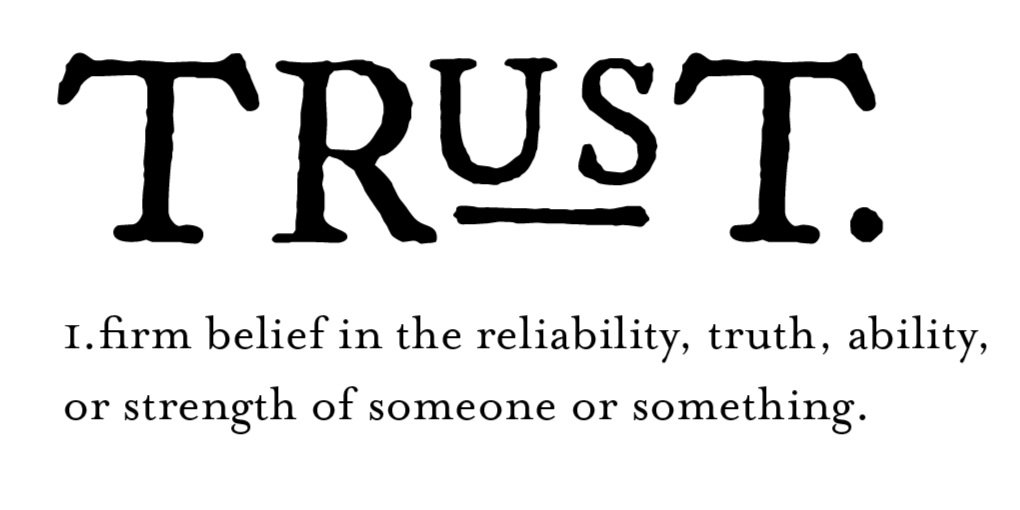
Rebuilding trust after narcissistic abuse can be a challenging and gradual process. Here are some steps we can consider taking to rebuild trust in ourselves and others:
Understand the Dynamics of Narcissistic Abuse:
Educate yourself about narcissistic abuse to gain a deeper understanding of what you’ve experienced. Knowledge can empower you to recognize and address the patterns of manipulation and control.

Seek Professional Support:
Consider seeking therapy or counseling with a mental health professional experienced in trauma and abuse. A therapist can help us navigate our emotions, process the trauma, and develop coping strategies.

Establish Healthy Boundaries:
Learn to set and enforce healthy boundaries. Identify what is acceptable and unacceptable behavior in our relationships, and communicate these boundaries assertively.

Practice Self-Compassion ❤️:
Be patient and gentle with ourselves. Healing takes time, and it’s essential to acknowledge our progress and give ourselves credit for overcoming challenges.

Cultivate Self-Awareness:
Develop a deep understanding of ourselves, our needs, and our values. This self-awareness will help us make healthier choices in relationships and identify red flags early on.

Build a Support System:
Surround ourselves with supportive friends and family who understand our journey and can offer encouragement. A strong support system can provide validation and help rebuild our sense of trust in others.

Set Realistic Expectations:
Understand that trust-building is a gradual process. It’s okay to take small steps and set realistic expectations for ourselves. Celebrate the victories, no matter how small, along the way.

Engage in Activities We Enjoy:
Reconnect with activities and hobbies that bring us joy. Engaging in positive experiences can contribute to our overall well-being and help us rebuild a sense of trust in the world.

Explore Mindfulness and Relaxation Techniques:
Practices such as mindfulness, meditation, and deep breathing can help us manage anxiety and stress. These techniques can also enhance our ability to stay present and focused on the positive aspects of our lives.

Consider Professional Development:
If applicable, consider career or personal development opportunities to boost self-esteem and confidence. Feeling accomplished in other areas of our life can positively impact our ability to trust ourselves and others.

Remember that healing from narcissistic abuse is a unique and individual process. If we find the journey particularly challenging, seeking professional help is crucial. A therapist can provide guidance, support, and additional strategies tailored to our specific situation. ⭐️

As always, here are some great reading recommendations: https://amzn.to/3SldTZE

Until next time,

~Heather~ Natural Clarity Coaching

naturalclaritycoaching.com na********************@***il.com

Natural Clarity Coaching on Facebook, Instagram, LinkedIn, and Tik Tok

*Let’s all take care of this planet of ours*

The Effects of Narcissistic Abuse

Experiencing narcissistic abuse, especially on a long-term basis, can have profound and lasting cognitive effects. It’s important to note that the impact of abuse can vary from person to person, and not everyone will experience the same effects. Here are some common cognitive effects associated with narcissistic abuse:

Low Self-Esteem: Narcissistic abuse often involves demeaning and belittling behaviors, which can erode a person’s self-worth and confidence. Victims may internalize the negative messages and develop low self-esteem.

Gaslighting: Narcissists frequently use gaslighting techniques to manipulate and control their victims. Gaslighting involves distorting or denying the truth, causing the victim to doubt their own perceptions, memories, and sanity. This can lead to confusion and self-doubt.

Anxiety and Depression: Long-term exposure to narcissistic abuse can contribute to the development of anxiety and depression. The constant stress, fear, and uncertainty in an abusive relationship can take a toll on mental health.

Cognitive Dissonance: Victims of narcissistic abuse may experience cognitive dissonance, a psychological phenomenon where a person holds conflicting beliefs or attitudes. This can occur when the victim is simultaneously aware of the abusive behavior but struggles to reconcile it with the manipulative charm or kindness displayed by the narcissist.

Hypervigilance: Living with a narcissist can create an environment of unpredictability and fear. As a result, survivors may develop hypervigilance—a heightened state of awareness and sensitivity to potential threats. This constant state of alertness can be mentally exhausting.

Difficulty Trusting Others: Betrayal and manipulation by a narcissist can make it challenging for survivors to trust others. They may fear being deceived or hurt again, leading to difficulties forming and maintaining healthy relationships.

Sense of Guilt or Shame: Narcissists often blame their victims for the problems in the relationship, even when the responsibility lies with the abuser. This can lead to feelings of guilt and shame in the survivor, perpetuating a cycle of self-blame.

Impaired Decision-Making: The constant manipulation and control tactics employed by narcissists can undermine a person’s ability to make independent decisions. Survivors may second-guess themselves and struggle with decision-making.

Isolation: Narcissists may isolate their victims from friends and family as a means of maintaining control. This isolation can contribute to feelings of loneliness, further impacting the person’s mental well-being.

Post-Traumatic Stress Disorder (PTSD): In severe cases, prolonged exposure to narcissistic abuse may lead to symptoms of post-traumatic stress disorder, such as intrusive memories, flashbacks, and heightened arousal.

It’s important for individuals who have experienced narcissistic abuse to seek support from mental health professionals, friends, or support groups. Therapy can be a crucial step in healing and rebuilding cognitive and emotional well-being.

As always, here are some great reading suggestions: https://amzn.to/3ulXLiC

Until next time,

~Heather~ Natural Clarity Coaching

naturalclaritycoaching.com na********************@***il.com

Natural Clarity Coaching on Facebook, Instagram, LinkedIn, and TikTok

*Let’s all take care of this planet of ours*
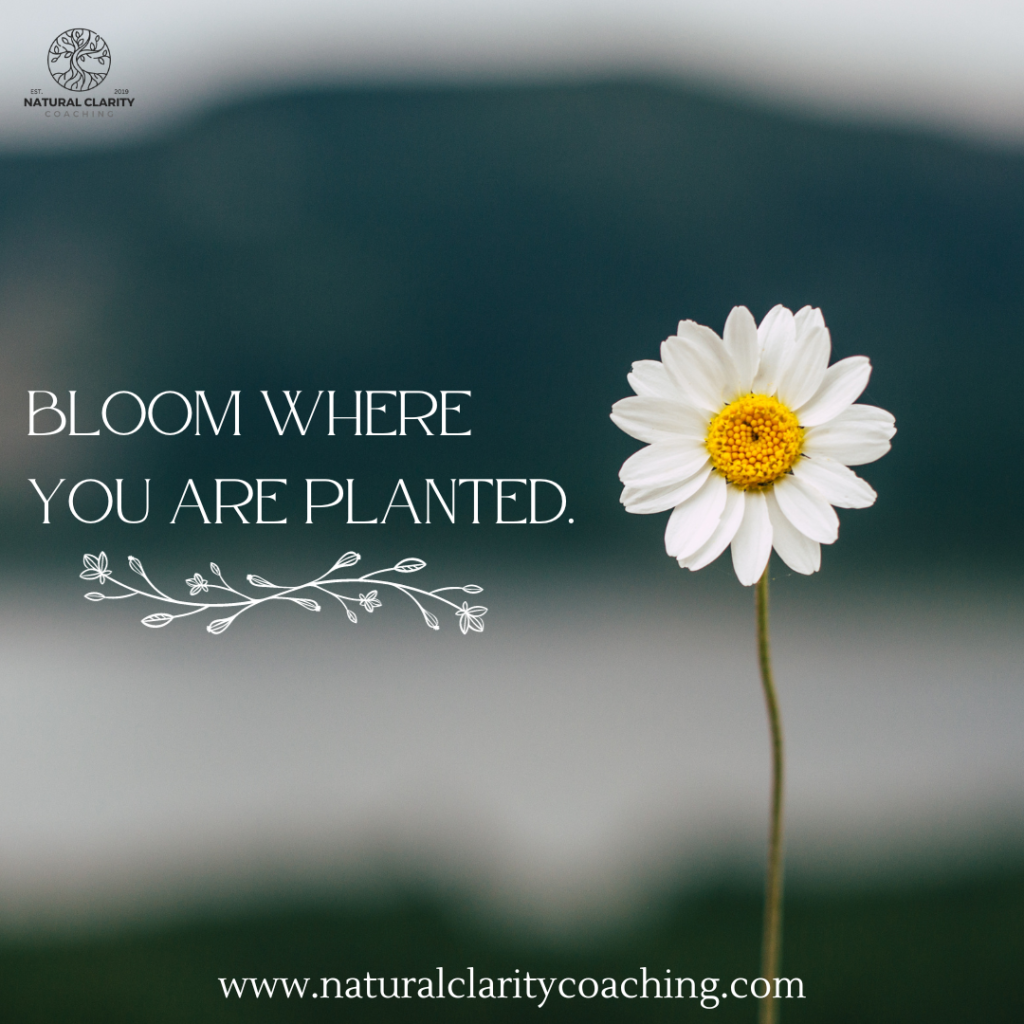
Bloom

Until next time,

~Heather~ Natural Clarity Coaching

www.naturalclaritycoaching.com na********************@***il.com

Natural Clarity Coaching on Facebook, Instagram, LinkedIn, and TikTok

*Let’s all take care of this planet of ours*

Newer posts »