Tag: baiting (Page 5 of 5)

Some Ways to Wellness

A great focus for anyone, at any age, is that of wellness. “Wellness is a holistic integration of physical, mental, and spiritual well-being, fueling the body, engaging the mind, and nurturing the spirit” (Stoewen, DL, 2017).
Whether we’re experiencing abuse or are under a serious stress load, struggling with health issues, or simply want to work towards being as well as possible, wellness is for anyone and everyone. It’s the conscious act of self-care that gets us there.

When it comes to being in an abusive situation, aiming for wellness is particularly beneficial. The trouble with this environment, though, is that it may be tremendously difficult to work towards wellness because of a lack of resources, feeling constantly fatigued, having a large number of daily responsibilities and problems to cope with, and a variety of other factors. This will vary from person to person. However, the flip side is that wellness provides a solid base for strength on all levels – physical, mental, and spiritual – and this can help us to keep putting one foot in front of the other in the face of adversity.

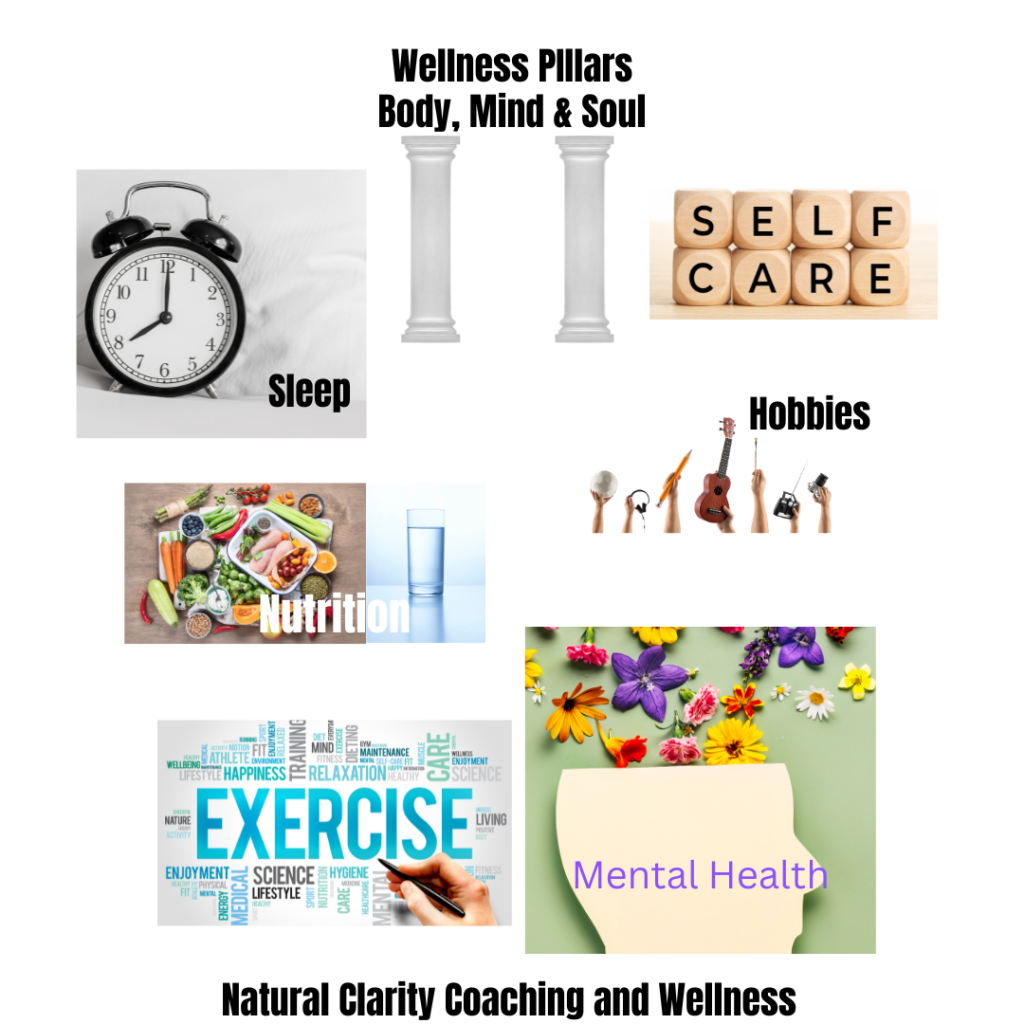
So, how do we bring wellness to our lives, especially if we’re currently experiencing some form of abuse? One path is to simply reach for it wherever and whenever we can, even if it seems like baby steps. Nutrition is one way. Fresh fruits and veggies are an ideal snack, side dish, or dessert, but canned and frozen still contain the nutrients. Eating as healthfully as possible under our current circumstances can make a big difference. Avoiding over-processed foods and “junk foods” can definitely help us feel better. They may bring some of us temporary emotional comfort but, in the end, they can make us feel worse while exacerbating the emotional eating cycle. If finances are a barrier, food banks are an option. There are also a variety of companies that offer daily mystery packages of baked goods, dairy products, meats, and fruit items at extremely low prices in order to avoid food waste. Staying hydrated is also incredibly important, with water being at the top of the list. Nutrition helps our bodies and minds to function better.

Exercise is another great way to work towards wellness. Do what you love! That may be jogging, cycling, skiing, skateboarding, tennis, soccer, basketball, walking (particularly in nature…fresh air can work wonders), or any number of other activities. All we need to do is move our bodies. One program that I’ve found very beneficial is called ‘Walk at Home’ (Instagram: @walkathome; Facebook: https://www.facebook.com/WalkAtHomeOfficial; Website: https://walkathome.com/). It’s in the style of a full-body walking workout that you can easily find on YouTube (https://www.youtube.com/channel/UCVl6ZdslZz2Zj-34bMJFPbg). The founder is Leslie Sansone; she’s very motivational, knowledgeable, and easy to listen to, as are the other fitness leaders who offer instruction within ‘Walk at Home’. The program offers a variety of routines to choose from and you can tailor them to your needs. Some are 15 or 20 minutes, others are 45. The longer ones are broken into 15-minute sections that are each equivalent to one mile so that you can easily choose how far and for how long you want to participate. Resistance bands are a part of some of the programming, which provides additional strength training. All of this can be done in a small space and is geared towards all ages and all levels of ability.

Other forms of working towards or maintaining wellness include journalling, meditation, yoga, engaging in hobbies we enjoy, spending time in nature, volunteering, reading, and so on. Also, if we’re in need of professional help for our emotional and/or mental state, we can reach out. Many counsellors and therapists offer subsidized or sliding-scale fees. See your general practitioner doctor for referrals to psychiatrists that may be covered by government health plans. There are also a variety of free or low-cost mental wellness apps available. Also, look up support groups on Facebook or other platforms for an opportunity to gain insight, knowledge, and to reinforce that we are not alone. There are so many options available…we just need to seek them out.

And sleep…this is a crucial part of wellness. But between stress, worry, and maybe even an abuser who keeps us from getting enough rest, sleep can be elusive. That means that we need to make a conscious effort to get as much sleep as possible. Once we are sleep-deprived, it’s much more difficult to bounce back. So keeping on top of our sleep needs matters. And it matters a lot. According to the National Heart, Lung, and Blood Institute, “[s]leep deficiency can interfere with work, school, driving, and social functioning. You might have trouble learning, focusing, and reacting. Also, you might find it hard to judge other people’s emotions and reactions. Sleep deficiency also can make you feel frustrated, cranky, or worried in social situations” (NHLBI, 2022).
Wellness is integral to us as human beings. When we’re in a rough patch of our life journey, it can be difficult to maintain it, but this is the very time that we need to cling to whatever self-care measures we can. An apple here, a walk there, water as often as possible, reading a few pages of a book, a few stretches when we get out of bed…every little bit helps to contribute to our overall wellness. And even smiling can have amazing benefits: “The feel-good neurotransmitters—dopamine, endorphins and serotonin—are all released when a smile flashes across your face as well. This not only relaxes your body, but it can also lower your heart rate and blood pressure” (Stevenson, 2012). And when we achieve any level of holistic wellness, it enhances our lives and provides us with strength to face whatever challenges may come our way. It’s empowering and enriching. So, even if we have to do it in baby steps, wellness benefits all of us.

Until next time,

~Heather~ Natural Clarity Coaching and Wellness

naturalclaritycoaching.com na********************@***il.com

Natural Clarity Coaching on Facebook, Instagram, LinkedIn, and X (Twitter)

*Let’s all take care of this planet of ours *

References

National Heart, Lung, and Blood Institute. (2022, March 24). Sleep Deprivation and Deficiency – What Are Sleep Deprivation and Deficiency? | NHLBI, NIH. www.nhlbi.nih.gov. https://www.nhlbi.nih.gov/health/sleep-deprivation#:~:text=Sleep%20deficiency%20can%20interfere%20with

Stevenson, S. (2012, June 25). There’s Magic in Your Smile | Psychology Today Canada. www.psychologytoday.com. https://www.psychologytoday.com/ca/blog/cutting-edge-leadership/201206/there-s-magic-in-your-smile

Stoewen, DL. Dimensions of wellness: Change your habits, change your life. Can Vet J. 2017 Aug;58(8):861-862. PMID: 28761196; PMCID: PMC5508938.

One Foot In Front Of the Other: Self-care Matters

One of the most important things any of us can do for ourselves when we’re dealing with abuse or stress is to take care of ourselves. It may feel like we don’t matter enough or we’re too busy or whatever the reason may be, but the truth is that we need to stay strong in all ways.

How do we do that? We pay attention to the most important factors: adequate sleep, good nutrition, physical exercise, and coping with stress as well as we can. What might that look like? Trying to keep our sleep schedule on track (8 hours is a good marker), eating as well as we can (fruits, vegetables, protein, drinking water, etc.), fitting in walks or any form of exercise that we can manage, and doing our best to manage whatever stress may be going on in our lives.

It’s not always easy to take good care of ourselves. That’s a fact. When we’re worn down from the challenges of toxic people or we have heavy stresses in our daily lives that aren’t going anywhere anytime soon, it’s often difficult to put one foot in front of the other. But every little bit of self-care effort is beneficial. No matter how small it may seem, whatever we can manage will benefit us. We need to focus on it wherever possible, cling to it if it needs to happen that way. Whatever we can do to keep ourselves as strong as possible will make a difference, even if it’s sometimes slight or barely perceptible.

When we make even the simplest of efforts to care for ourselves, our minds sense it, our bodies feel it, our spirits soak it up. And then it becomes easier to continue the trend. It feels good mentally, physically, and spiritually. It reminds us that we matter and we’re worth it, regardless of what’s going on around us. And that provides a sense of empowerment, self-worth, and strength that helps us keep going.

So, no matter where we’re at on any given day, it’s important to care for ourselves. It isn’t selfish or wasteful. It’s necessary. No matter how small the effort may be, it matters. We matter. One foot in front of the other. We can do this. ❤️

Until next time,

~Heather~ Natural Clarity Coaching and Wellness

www.naturalclaritycoaching.com na********************@***il.com

Natural Clarity Coaching on Facebook, Instagram, LinkedIn, TikTok, and X

*Let’s all take care of this planet of ours*

How does the narcissist move on so quickly?

When we split from our narcissistic partner, how can they so easily and quickly move on to someone new? That’s a question many of us have asked ourselves.

First of all, narcissists typically aren’t happy being on their own. Being single might, to them, signify being “less than”, and that isn’t how they do things. Their egos need constant bolstering. So they may spend time actively pursuing several people in their quest for a new partner, or jump straight into a new relationship.

Secondly, their depth of emotion is different than that of others. “Love”, to them, means someone giving them what they need on all levels. It isn’t usually about loving someone else, but, rather, being loved or adored or worshipped. It’s a shallow concept for narcissists, that doesn’t require time or growth; it’s simply about love-bombing their target so that real love and adulation comes back to them as soon as possible. We’ve likely figured out their games so they need to find someone who’s unaware of who they are. Love-bombing and mirroring help them to draw someone new into their trap, and it means that they don’t have to make any personal changes in order to be in a relationship.

Lastly, brain scans of people who have Narcissistic Personality Disorder show that they have less brain matter in areas associated with emotional empathy (Derksen, 2019). When we break up with a narcissist (or vice versa because we’ve been discarded), they won’t feel truly saddened by the event or be sorry or accountable for any of their actions. Angry and vengeful are more apt to be their go-to responses, or behaving as though they never knew us. They just move on to someone new and appear to have forgotten our entire shared history (which is likely something that would benefit us as non-narcissists, except that we aren’t built that way). Then, they often add in smear campaigns. That’s because they need us to be the villains of the story since they won’t accept that responsibility.

So, yes, narcissists typically move on from relationships quickly and easily. There are a variety of factors at play but the above three are some of the main ones. And that’s okay if they do things that way. We feel our emotions and need to process break-ups differently. However, letting go of what the narcissist is doing and who they’re now with is the best thing we can do for our wellbeing while we’re working through it. And, no, there is nothing wrong with us simply because they moved on quickly. We loved a narcissist. They’ve moved onto something new. That’s what they do. We aren’t a part of the equation. 2 + 2 = narcissistic behaviour.

As usual, here are some book suggestions: https://amzn.to/4bLozKa

Until next time,

~Heather~ Natural Clarity Coaching

naturalclaritycoaching.com na********************@***il.com

Natural Clarity Coaching on Facebook, Instagram, LinkedIn, TikTok, and X

*Let’s all take care of this planet of ours*

References

Derksen, S. (2019, May 17). Seeing Narcissism in the Brain. Dr. Syras Derksen. https://drsyrasderksen.com/seeing-narcissism-in-the-brain.html

The Chatter Behind Our Backs – Scapegoat Stories

Yes, narcissists and other toxic people will talk to outsiders about us scapegoats negatively when our backs are turned. During relationships and after a fallout, they will share our personal information and speak negatively about us with others. They’ll create smear campaigns full of lies about us. We may never be the wiser about it, either. They may have their flying monkeys do their dirty work and appear to be squeaky clean themselves. A comment to a FM here, a comment there, and next thing we know (or not), there’s a story swirling around out there about us. Someone might mention it directly to us because they want to berate us for whatever the lies entail. Others might just spread it around more. Gossip mills are hellish things.

Some stories, we may never even hear about. But we may know there’s one going the rounds because some people may have stopped speaking to us, or they’re acting strangely…maybe they’re even outright hostile towards us. No matter how it happens, this will likely be challenging to wrap our heads around. Especially the first time it happens and we realize who is behind it. And, no matter how we try to cover up our emotions about it, it hurts. It’s such a major betrayal and loss of trust.

There isn’t any simple way to prepare for the shock and bewilderment that go along with being betrayed by someone we thought we could trust. In the end, we can consider the source, accept that some people who hear lies will believe crap about us and therefore obviously aren’t worth worrying about, and be grateful for those who know who we truly are. Extra gratitude is due to those who will defend us and shut down the gossip-spreader when they happen to be on the receiving end of a bs story about us!

There is no doubt that being betrayed by someone close to us is a difficult experience, particularly if we hadn’t yet realized their narcissistic tendencies. But let’s look at the pros: Bright red flags about that person that can’t be ignored; we now know what this person is capable of and that they shouldn’t be trusted in the future; if we stay in contact with the individual, we should likely be prepared for similar events going forward; we can even more appreciate the people who do have our backs and would never even consider betraying us; we’re stronger and wiser for our experience, which is empowering.

Overall, we should hold our head high and live our life well. As the saying goes, what other people think about us is none of our business. But when it comes to close people in our life who betray us, we need to maintain awareness and make informed decisions about how we feel about them and their actions. We have the right to protect ourselves, even when it’s someone from whom we truly shouldn’t have to protect ourselves. It’s one of those ‘it is what it is’ situations, and we each need to choose our path once our eyes have been opened.

As always, seek professional help if you are struggling to cope with betrayal, trust-breaking, or other challenging events.

Here’s a book suggestion regarding betrayal: https://amzn.to/3UZDg6D

Until next time,

~Heather~ Natural Clarity Coaching

naturalclaritycoaching.com na********************@***il.com

Natural Clarity Coaching on Facebook, Instagram, LinkedIn, TikTok, X

*Let’s all take care of this planet of ours*

The Narcissistic Tactic of Baiting

Narcissists often engage in behaviours aimed at eliciting strong emotional reactions from others, including trying to provoke them into getting upset. This can serve several purposes for the narcissist, such as gaining a sense of power or control over the other person, deflecting attention away from their own shortcomings or insecurities, or simply deriving satisfaction from seeing others react emotionally. It’s part of their manipulation tactics and can be a way for them to maintain their sense of superiority or dominance in relationships.

Baiting can occur during a conversation in which we have inquired of a narcissistic individual regarding some aspect of their behaviour (possible response to a question directed to a narcissist: “Why are you worried about what I’m doing when your life is so obviously a huge mess?”). They may be trying to hide something or explain away their actions, and so they will turn the spotlight on us (example response: “I don’t know what you’re talking about; maybe you should worry more about your pathetic need to question me”). If they are successful in getting an emotional reaction by upsetting us, then the focus will be on us rather than them. They might bring up a past event or personal issue that was challenging for us, or maybe something that they have decided to accuse us of, and so on. Their goal is to find something…anything that they believe will be likely to trigger an emotional reaction from us.

One of the best ways to respond to being baited is no response at all, if it is safe to do so. Behave as though that bait was not even put in front of you. See it for what it is and choose not to give it any energy. Or simply an unemotional response (grey rock method) will often work. Narcissists thrive on the emotionally upset reactions of others, especially when it creates a distraction from their own issues. And it allows them to feel superior when someone else is, for instance, giving way to their emotions as a result of being baited. So, where possible, it’s most beneficial not to give them those emotional reactions to use to their advantage. When we grow our awareness of this type of tactic, it makes it easier to spot and respond calmly (or not at all). We can empower and protect ourselves with awareness. Plus, a subdued reaction is better for our own emotional and physical wellbeing. Healthy blood pressure and heart rate levels from staying calm can benefit our overall health. And not feeling emotionally overloaded is definitely a plus.

As always, if you feel as though you may be dealing with a narcissist and you are struggling to cope, seek out professional help and take steps to keep yourself safe.

Here’s some ideas for fidget/anxiety jewellery to keep us grounded when we’re attempting to stay calm or settle ourselves: https://amzn.to/3ULN18l

Until next time,

~Heather~ Natural Clarity Coaching

www.naturalclaritycoaching.com na********************@***il.com

Natural Clarity Coaching on Facebook, Instagram, LinkedIn, TikTok, and X

*Let’s all take care of this planet of ours*

Tactics used by Narcissists to control and/or silence others – Part 2

So continuing on from Part 1 of this topic of the tactics used by narcissists in order to control and/or silence others, here are some further items:

Nitpicking and Constantly Changing the Rules – Narcissists are renowned for nitpicking their targets. They will complain about anything and everything about you and your behaviour, right down to the smallest of details. It’s a constant barrage of judgments and criticisms. You’re damned if you do and damned if you don’t. It feels like a perpetual storm cloud over your head. In terms of constantly changing the rules, no matter how much proof is provided or action is taken on your part to meet whatever expectations the narcissistic individual has created, they will continue to demand more proof and also set up new expectations (moving the goalposts). There’s definitely no winning in this situation. How to stay strong: Ensure that you validate and approve of yourself despite what you’re hearing from the narcissist. Try to spend time with people who are positive and kind.

Avoiding Accountability by Changing the Subject – Narcissists are professionals at making subject changes in order to avoid accepting accountability for their actions and behaviour. Typically these subject changes involve making you and all of your alleged flaws the topic of the conversation instead. Accountability for a narcissist equates to damaging their ego and they will do pretty much anything to avoid that scenario. How to stay strong: If you feel that you need to have this discussion, one technique is to continue to redirect the narcissist to the facts at hand. If it isn’t worth it to continue trying to make them accountable, simply disengage.

Name-Calling, Sarcasm, Condescension, Shaming, Insults Disguised as Jokes, and Covert and Overt Threats – When a narcissistic person is not getting their way in the form of controlling and/or silencing you, they will quite often resort to name-calling. The tactic here involves intimidating and belittling you into submission as well as breaking down your confidence and willingness to stand up for yourself. Narcissists will also say something offensive and insulting and then, if you call them out on it, they will claim they were ‘only joking’ and that you need to not be so sensitive and learn to recognize a joke. These dysfunctional people will also use sarcasm, condescension and shaming in very passive-aggressive ways in order to get their message across without being direct about it (which leaves their targets wondering if they truly are ‘taking things the wrong way’). In terms of threats, both covert and overt, these can arise out of a difference of opinion or as a result of your implementation or continued enforcement of boundaries. Again, this is meant to intimidate you into silence and/or compliance with the narcissist’s many rules. How to stay strong: The best response to name-calling, insults veiled as jokes, etc., and/or threats is to put a quick end to the interaction and make it clear that you won’t tolerate intimidation, bullying and disrespect. Then try to ensure that you don’t internalize any of the nonsense that was spewed at you. It’s all fiction and absolutely without substance or truth. None of it is about you; it’s all about the disordered individual and their many issues.

Baiting You and Then Feigning Innocence – A regular ploy used by most narcissists is to bait you (they love starting drama and get bored without it!) and then feign innocence. This involves doing or saying something that they know will hurt or upset you and then when you react, they behave as though they don’t know what you’re going on about plus you’ve victimized them in the bargain. “I didn’t mean anything by that. What are you talking about? How could you even think that of me? You’re such a mean person”. And just like that, they’ve upset/hurt you, made it seem like your over-sensitivity and paranoia caused you to get upset over nothing, and then you allegedly went on to victimize them when they did absolutely nothing to attract your wrath. Tripple-whammy! How to stay strong: One of the tricks to coping with this tactic is to not allow yourself to be baited in the first place. Once you become accustomed to what baiting involves (once you see the specific pattern and cues, you will know what to look for every time), you can refuse to enter the arena before the game even gets started. Shut it down and move on with your day.

There are a few other tactics used by narcissists to control and/or silence their targets but the above are the main ones. Narcissists need to control the people around them in order to maintain their ego-protecting bubble and never have to face accountability for their toddler-like and negative behaviour. If they can’t control someone in their environment, then their next step is to attempt to silence them. As I mentioned in Part 1, the best thing we can do is to educate ourselves on these tactics, learn to recognize them no matter what attempts are made to disguise them, take steps to remove or protect ourselves from these strategies (picturing yourself covered in bubble wrap that keeps the narcissist’s negativity from accessing you is a great use of imagery for strength and protection), and then ensure that we don’t allow any of it to damage our self-esteem or personal peace. If we keep in mind that the behaviours of narcissists have nothing to do with anyone but them and we learn not to personalize it, it can make a major difference in our lives and wellbeing. Knowledge is power and this is particularly true in these situations. And be aware that low contact or no contact with toxic people are always options at any point in time for any type of relationship. Stay strong!

Until next time,

Heather ~Natural Clarity Coaching~ www.naturalclaritycoaching.com na********************@***il.com Natural Clarity Coaching on Facebook, Instagram and Twitter

Newer posts »